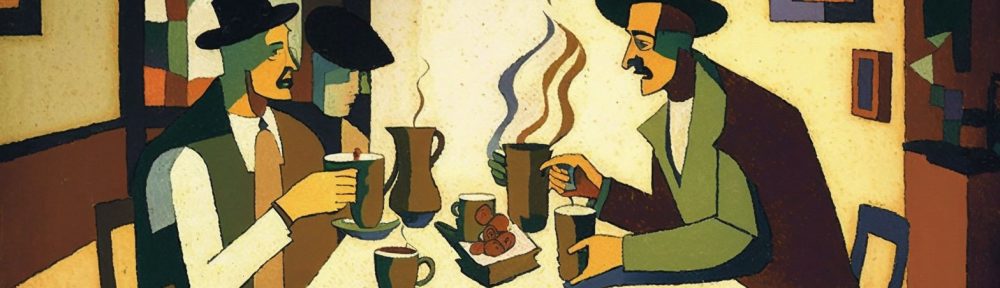
Finding the Perfect Coffee to Pair with Your Meal

When it comes to pairing coffee drinks with various meal dishes, the goal is to create harmonious flavor combinations that enhance the overall dining experience. The right coffee can complement the flavors, textures, and aromas of the food, creating a delightful balance or contrast. Just like pairing wine with food, coffee pairing involves considering factors such as intensity, acidity, sweetness, and aroma.
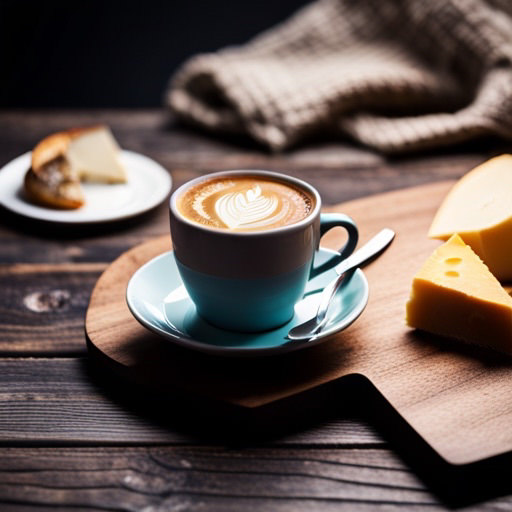
For example, if you’re enjoying a light breakfast or indulging in pastries, a cup of black coffee or espresso can provide a pleasant contrast to the sweetness or butteriness of the baked goods. The bold and robust flavors of the coffee can awaken the senses and provide a satisfying counterpoint to the delicate pastries.

When it comes to brunch dishes or eggs, a cappuccino or latte can be an excellent choice. The creamy texture of these coffee drinks can complement the richness of egg-based dishes like omelets or eggs Benedict. The milk in the coffee can create a harmonious balance, softening the flavors and adding a touch of sweetness.

For those who relish chocolate desserts, an espresso or a mocha can be a match made in heaven. The deep, robust flavors of espresso can intensify the richness of chocolate, while the mocha, with its combination of espresso and chocolate, can create a decadent and indulgent pairing.

When dealing with spicy or savory dishes, a cup of cold brew coffee can be a refreshing choice. The smooth and less acidic nature of cold brew can help cool down the palate and provide respite from the heat or intense flavors of dishes like spicy curries or barbecued meats. The refreshing qualities of cold brew can cleanse the palate between bites, allowing you to fully appreciate the complexities of the meal.

Pairing coffee with cheese or nut-based dishes opens up another realm of possibilities. A medium-bodied coffee like a pour-over or a French press can be an excellent accompaniment. These brewing methods bring out the nuanced flavors of the coffee, which can complement the intricate profiles of cheeses or nuts. The balance of flavors can create a memorable sensory experience, with each element enhancing the other.

Some more specific examples I found to share:

Grilled meats: A bold and dark roast coffee, such as an Italian roast or French roast, can complement the rich and smoky flavors of grilled steaks, burgers, or barbecued meats. The robustness of the coffee can stand up to the strong flavors of the grilled meats.

Seafood: Lighter seafood dishes like grilled fish or shrimp can be accompanied by a cup of light to medium roast coffee. The brightness and acidity of the coffee can provide a refreshing contrast to the delicate flavors of the seafood.

Salads: For fresh and vibrant salads, a cup of iced coffee or cold brew can be an excellent choice. The chilled coffee can enhance the crispness of the vegetables and offer a refreshing and energizing element to the meal.

Asian cuisine: If you’re enjoying Asian dishes like sushi, stir-fries, or noodles, a cup of green tea can be a great alternative to coffee. Green tea has a clean and grassy flavor that can complement the light and delicate flavors of many Asian dishes.

Dessert with fruit: If you have a dessert featuring fruits like berries or citrus, consider pairing it with a cup of Ethiopian coffee. Ethiopian coffees often have fruity and floral notes that can harmonize with the natural sweetness and acidity of the fruits.

Spicy Mexican or Latin American dishes: A cup of Mexican-style coffee, like Café de Olla, can be an ideal match for spicy dishes such as enchiladas, tacos, or mole. Café de Olla is typically brewed with cinnamon and brown sugar, which can add a hint of sweetness and complement the bold flavors of the cuisine.

Cheese-based dishes: Strong and aged cheeses like blue cheese or Gouda can be balanced by a cup of espresso. The intensity of the espresso can cut through the richness of the cheese and create a pleasant contrast on the palate.

The art of coffee pairing lies in understanding the flavor profiles of both the coffee and the dish and finding the right balance and complementarity. By experimenting with different coffee styles, brewing methods, and food combinations, you can discover a myriad of delightful pairings that will elevate your dining experience to new heights.

Please note that if you purchase from clicking on the link, some will result in my getting a tiny bit of that sale to help keep this site going.
Ethiopia to Colombia: A Coffee Lover’s Travel Diary

Prelude: The Dream Journey of a Coffee Enthusiast

As a devout coffee enthusiast, I have always been captivated by the mystique of this universal brew. Its aroma, taste, and invigorating power have been my daily solace. But my love for coffee extends beyond the confines of my morning mug. I yearn to explore its origins, understand its cultivation, and witness firsthand the passion that goes into creating each cup. That’s why I’ve envisioned a dream journey, an exploration of the coffee culture in two of the most renowned coffee-producing countries in the world: Ethiopia and Colombia. It’s a journey that will take me from the birthplace of coffee, steeped in ancient tradition, to a nation that has transformed coffee cultivation into a fine art. This diary reflects that dream journey, a pilgrimage I hope to undertake, tracing the path of coffee from bean to cup.

Entry 1: Addis Ababa, Ethiopia – Arrival and The Birthplace of Coffee

My journey begins in Ethiopia, considered the birthplace of coffee. My first stop was Addis Ababa, the country’s capital, where I discovered the deep-rooted coffee culture. I visited the National Museum of Ethiopia, where I gained a greater understanding of the country’s rich history and, of course, its deep connection to coffee. I explored a traditional Ethiopian coffee ceremony – a time-honored tradition that’s as much about community as it is about the drink itself.


Entry 2: Sidamo, Ethiopia – Coffee Farms and Forests

Travelling south, I journeyed to Sidamo, home to some of the best coffee in the world. I walked through lush coffee forests and witnessed how coffee grows in its natural habitat. I observed coffee beans being harvested by skilled farmers who taught me the process from bean to cup. The local coffee, known for its light body and complex flavor profile, was unlike any I’ve tasted before.


Entry 3: Yirgacheffe, Ethiopia – A Coffee Connoisseur’s Dream

Next, I arrived in Yirgacheffe, a region known for producing some of the world’s most distinctive coffees. The hand-picked beans here are washed and sun-dried, giving them a unique, fruity flavor profile. Savoring a cup of Yirgacheffe coffee, with its bright acidity and tea-like characteristics, was a truly unforgettable experience.


Entry 4: Departing Ethiopia – The Cradle of Coffee

Before departing Ethiopia, I had the chance to partake in one more traditional coffee ceremony. The feeling of unity and warmth in these gatherings was truly inspiring. The coffee, always served black, tasted even more wonderful, perhaps owing to the rich culture and tradition infused into each cup.


Entry 5: Bogotá, Colombia – New Terrain, Familiar Aroma

Arriving in Bogotá, Colombia, I could feel the shift in culture, yet the love for coffee was just as deep. Colombia’s rich volcanic soil, altitude, and climate make it a perfect landscape for coffee growing. I visited the famous Coffee Cultural Landscape of Colombia, a UNESCO World Heritage Site, and learned about the country’s history and deep connection to coffee production.


Entry 6: Salento, Colombia – Into the Coffee Triangle

Salento, part of Colombia’s famed Coffee Triangle, was my next stop. Here, amidst lush coffee plantations, I learned about the production process of Colombian coffee, which is typically washed, giving it a clean taste and bright acidity. The fresh brew, paired with breathtaking views of the Andean landscape, was simply exquisite.


Entry 7: Medellín, Colombia – A Taste of Innovation

In Medellín, I witnessed how the city has innovatively integrated its coffee culture into modern cafes, pushing the boundaries of brewing methods and presentations. The diverse selection of coffee, from single-origin varieties to blends, was both inspiring and overwhelming. The vibrant city life, coupled with its rich coffee culture, made my visit to Medellín a thrilling experience.


Entry 8: Farewell, Colombia – A Journey Through the World of Coffee

As I leave Colombia, I can’t help but reflect on this incredible journey. From Ethiopia, where coffee has its roots, to Colombia, where coffee production has been refined into an art form, it has been a voyage of discovery. The aroma, taste, and ritual of coffee have shown me the profound impact this humble bean has on communities around the world.


Every coffee lover should make this journey… I’m sure our paths would cross along the way. If not, we can send a postcard.

Please note that if you purchase from clicking on the link, some will result in my getting a tiny bit of that sale to help keep this site going.

Coffee Lovers Unite: 5 Adorable Kids Toys for Mini Baristas

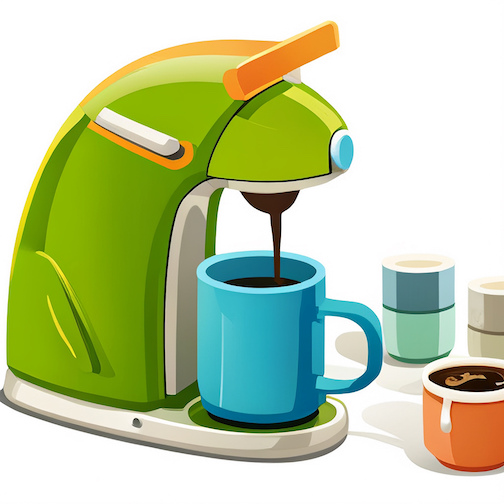
Are you a coffee lover and a parent of a young child? If yes, then you might have wondered if you could share your love for coffee with your little one. Well, the answer is a big yes! One of the best ways to introduce your little one to the world of coffee is through toys. There are a number of toys that have a coffee theme and are perfect for your young aspiring barista. In this blog post, we have shared the 5 best kids toys that will make your little barista’s day.

Hape Coffee Maker Set: This is a wooden playset that comes with all the necessary accessories including a coffee maker, cups, coffee beans, spoons, and other utensils. Your little one can play pretend coffee shop and serve you a warm cup of coffee with this adorable set. 

Learning Resources Coffee Play Set: This set includes a coffee maker, a frothing pitcher, 2 cups, and 3 different coffee pod flavors. The coffee maker also makes realistic brewing sounds that will make your little one feel like they are actually brewing coffee. 

Melissa & Doug Wooden Brew and Serve Coffee Set: This set includes a wooden coffee maker, 2 cups, 3 coffee pods, a milk bottle, and a storage tray. The coffee maker has a twistable knob that makes brewing sounds and turns the coffee pod into a cup. 

Play Circle Coffee Maker Set: This is a 17-piece set that includes a coffee maker with a sound effect button, 2 cups, 2 saucers, spoons, sugar, milk, and coffee pods. The coffee maker also has a water reservoir that can be filled with water and poured into the coffee maker. 

Fisher-Price My Brew & Serve Coffee Maker: This is a plastic coffee maker set that includes a coffee maker, a cup, and coffee pods. The coffee maker has realistic brewing sounds and lights that make it look like the coffee pot is heating up. 

One that didn’t make the list but looks fun too – PairPear Kids Wooden Toys Coffee Maker Toy Espresso Machine Playset

These 5 kids toys will not only let your little one have fun but also teach them some important life skills like socialization and creativity. Stimulating their imagination through pretend play also helps in developing cognitive skills essential for their growth. So, go ahead and pick your little barista’s favorite coffee set and let them have their own coffee shop at home.

Please note that if you purchase from clicking on the link, some will result in my getting a tiny bit of that sale to help keep this site going.
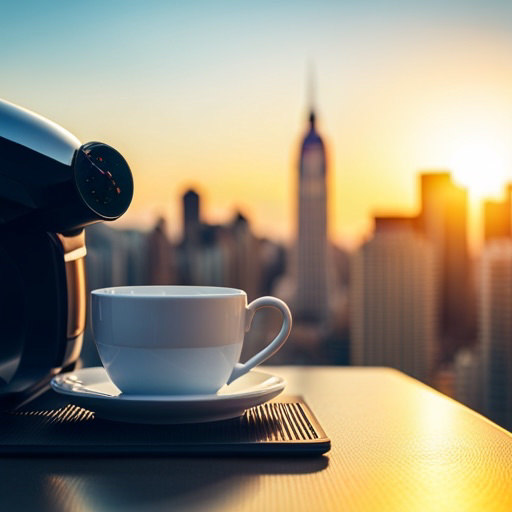
Across Time: Uncovering Coffee Marvels at World’s Fairs

World’s fairs have been happening since the 19th century, and they have brought us many innovations since then. One of the things brought to us in these events is the introduction of new and special coffees. World’s fairs are where great minds gather to showcase their amazing discoveries, and that includes coffee blends. These events have brought us some fantastic coffee flavors that are popular even today. So, let’s travel back in time and explore the world of special coffees at world’s fairs.

1851 London World’s Fair

The London World’s Fair in 1851 was the first of its kind, and it was where the world of coffee was introduced to a new blend – Mocha Java. This coffee blend originated from the ports of Yemen and Java and was named after the two countries of its origin. This blend was the first to mix two different beans and is still popular today.

1904 St. Louis World’s Fair

The St. Louis World’s Fair, held in 1904, featured a new coffee blend, which was the first coffee blend to be served as iced coffee. This special coffee was created by George Constant Louis Washington, who mixed coffee, sugar, and milk and served it chilled. He called this new drink “Cafe Frappe,” and it quickly became a popular drink during the hot summer months!

1924 Paris World’s Fair

This World’s Fair in Paris brought a new coffee blend called “Café Brûlot.” This special coffee blend was made with brandy, Cointreau, lemon peel, cinnamon sticks, and cloves. The ingredients were then set on fire and served with black coffee. The guests loved it so much that the recipe was even printed in the official cookbook of the event.

1962 Seattle World’s Fair

The 1962 World’s Fair in Seattle showcased the world’s first-ever automatic espresso machine. This new creation brewed shots of coffee with a push of a button and served it in a matter of seconds. Espresso quickly became a popular drink in the US, thanks to this event.

World’s fairs have been the center of innovation in various industries, and the coffee industry is no exception. These events have introduced new and exciting coffee blends and drinks that are still popular today. From Mocha Java, the first blend to combine beans from two different countries, to the introduction of the first automatic espresso machine, world’s fairs have left a lasting impression on the world of coffee. We can only imagine what kind of coffee creations the next world’s fair will bring!

Please note that if you purchase from clicking on the link, some will result in my getting a tiny bit of that sale to help keep this site going.

Innovative Uses of Coffee: Fuel, Fashion & More

Coffee is a beloved beverage across the globe. It’s been a go-to pick-me-up and social lubricant for centuries, but what’s lesser known is its role in powering some of the world’s most unlikely innovations. From cars to clothing, coffee is being used as fuel, fabric, and everything in between. In this blog post, we’ll explore some of the ways coffee is fueling the future and shaping our world.

Coffee-Powered Cars

Believe it or not, coffee is being used as a biofuel in some cars. In fact, a group of engineers in the UK recently created a car that runs on coffee! The car, named “Car-puccino,” is powered by a gasification process that turns coffee grounds into fuel. While it’s not exactly practical for everyday use, it shows the potential for coffee to be used in innovative ways beyond just a cup of coffee.

Coffee-Fueled Energy

Renewable energy is an ever-growing field, and coffee has made its way into the mix. In countries like Costa Rica, coffee wastewater is being used to fuel energy plants, creating a sustainable source of power. Similarly, coffee grounds are being turned into pellets for home heating systems, providing a natural alternative to fossil fuels.

Coffee-Infused Clothing

You read that right – coffee is being used to make clothing! The process involves taking recycled coffee grounds and infusing them into fibers. The result is a material that’s odor-resistant, moisture-wicking, and even provides some UV protection. It’s a creative way to repurpose waste while creating eco-friendly clothing.

Eco-Friendly Coffee Cups

Coffee cups have long been a source of environmental concern due to their single-use nature. However, a number of companies are now creating cups made from recycled coffee grounds. These cups are not only biodegradable but also have natural insulating properties, making them an eco-friendly choice for your morning latte. There are cups made of recycled materials for drinking coffee in too.

Coffee-Enhanced Skincare

Beauty companies have been using coffee in their products for years, but it’s not just for the scent. Coffee is loaded with antioxidants and caffeine, making it a powerful ingredient for skincare. From face scrubs to body creams, coffee-infused products can help reduce inflammation, improve circulation, and even reduce the appearance of cellulite.

It’s clear that coffee is more than just a beverage – it’s a versatile ingredient that’s being used in a multitude of innovative ways. From alternative fuels to eco-friendly clothing, coffee’s potential is vast and exciting. As we continue to seek out sustainable solutions and creative ways to repurpose waste, coffee will undoubtedly continue to play an important role in fueling the future. So next time you take a sip of your morning brew, remember – the possibilities are endless.

Please note that if you purchase from clicking on the link, some will result in my getting a tiny bit of that sale to help keep this site going.