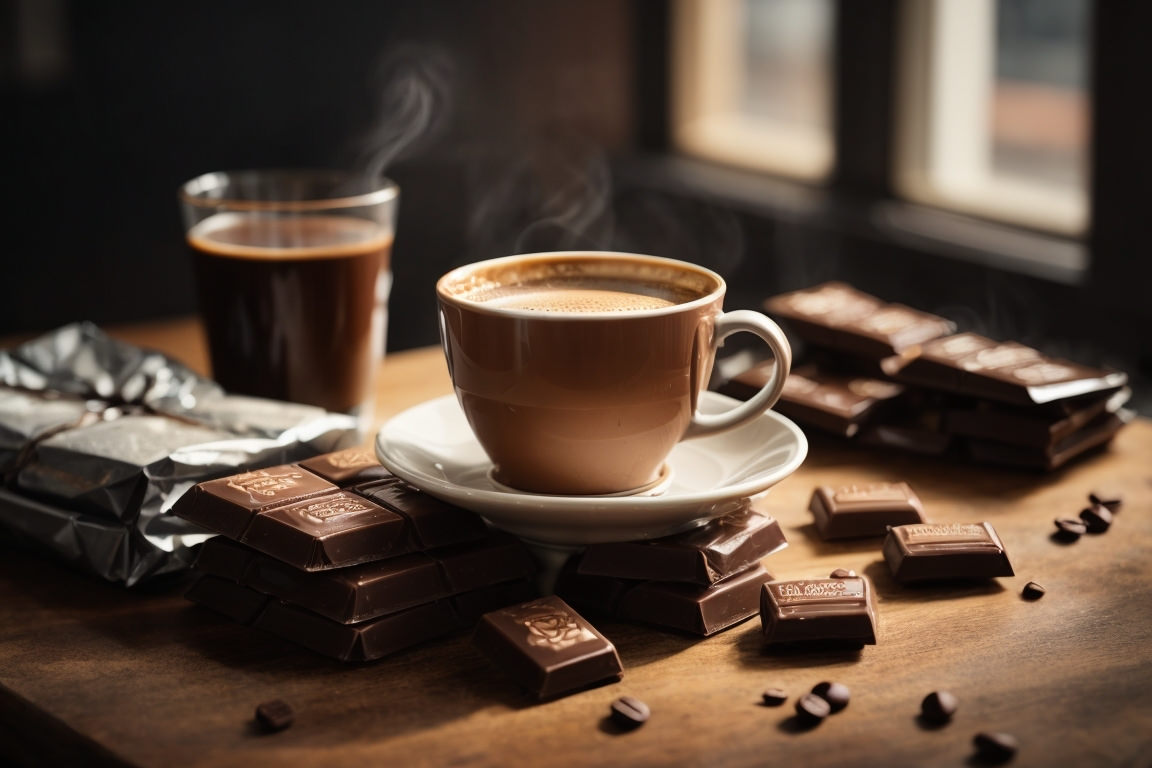
The Romans and the coffee their cups missed out on

Coffee as we know it today was not consumed during the Roman Empire. The popularization of coffee as a beverage began much later, around the 15th century in Yemen. Before this, coffee plants were largely unknown in the Roman world.

The Romans had a variety of drinks, including wine, posca (a kind of vinegar-water), and infusions of herbs and water, but coffee was not among them. The method of roasting and brewing coffee beans to create the drink we’re familiar with today developed long after the fall of the Roman Empire.

The origin and discovery of coffee are often rooted in legends, particularly the story of an Ethiopian goat herder named Kaldi. According to this tale, Kaldi discovered the energizing effects of the coffee plant around the 9th century after noticing how lively his goats became after eating the berries. However, this charming story leans more towards myth than historical fact.

The true emergence of coffee as a drink is more likely traced back to Yemen in the 15th century. It was in the Sufi monasteries of Yemen that coffee beans were first roasted and brewed in a manner similar to how it is prepared today. This process was adopted as a practical solution to a spiritual need; the Sufi monks used coffee to remain awake and alert during their long and rigorous religious ceremonies, including nocturnal devotions and lengthy meditation sessions. 

Yemen also played a pivotal role in the early spread and trade of coffee, initially maintaining a monopoly on its cultivation. This monopoly was centered around the Yemeni port city of Mocha, which became almost synonymous with coffee itself. Mocha, renowned for its distinctive flavor, emerged as a major trading hub, making its coffee famous worldwide. In an effort to sustain this monopoly, Yemeni traders adopted unique methods to control their precious commodity. They exported beans that were either boiled or otherwise sterilized, a strategy aimed at preventing germination and thus hindering other regions from cultivating their own coffee. However, despite these diligent efforts, the cultivation of coffee gradually spread beyond Yemen, as the allure and value of the coffee plant made it a sought-after commodity across different continents and cultures.

Please note that if you purchase from clicking on the link, some will result in my getting a tiny bit of that sale to help keep this site going.

Victorian Coffees: How A Penny’s Worth Shaped Modern Culture

Let’s hop in a time machine and travel back to the Victorian times, spanning from 1837 to 1901, to see how our beloved coffee was enjoyed back then, especially in the good old UK. During this era, coffeehouses were the go-to spots for the thinkers, the dreamers, and the doers, earning them the cute nickname “penny universities” because for just the price of a coffee, you could join in on some brainy conversations.

Now, heading a bit south to Australia, the temperance movement spiced things up by introducing coffee palaces. They were the wholesome cousins to the rowdy pubs and bars, encouraging folks to ditch the booze for a cozy cup of coffee.

Coffee-making back in the day was a bit different from our modern brews. They liked it strong and a tad rough around the edges due to the coarse grinding and brewing styles of the time. There was a whole array of brewing gadgets like percolators, the budding espresso machines, and the exotic Turkish coffee methods. And oh, the market was adorned with fancy coffee brewers and grinders for anyone keen on a delightful coffee experience.

The Victorian era was also a booming time for the global coffee trade, with coffee plantations sprouting in colonies. But it’s not all beans and roses, as this period also saw the harsh exploitation of local labor in these coffee lands, casting a long, dark shadow on coffee trade’s history. Coffee started becoming a big player in the global trade scene, laying down the roots for today’s coffee industry.

Now, here’s a bit of a coffee scandal – some shady sellers were mixing coffee with other stuff like chicory, or even nastier things to make a quick buck. This trickery helped push for food and drug regulation laws to keep our coffee pure and safe.

Socially, coffee was the classy drink, often seen at gatherings and events. It was the favorite of the emerging middle class, marking a cool shift in social vibes and cultural habits. Coffee even found its way into the arts and literature of the time, showing how much it was intertwined with daily life and social chit-chats.

The Victorian era brewed a rich legacy for our modern coffee culture, with its coffeehouses, brewing innovations, and the global coffee trade buzz. It set a fantastic stage for how we enjoy and share coffee moments today, making it a cherished ritual in our everyday lives.

Please note that if you purchase from clicking on the link, some will result in my getting a tiny bit of that sale to help keep this site going.

Warming Up to the Idea: The Pros & Cons of Reheating Coffee

“I got busy” so my hot coffee on my desk cooled. Reheating coffee largely hinges on personal preference, but there are several factors concerning flavor, health, and convenience that are worth considering.

On the positive side, reheating coffee is a convenient choice, especially when pressed for time. It’s a quick solution to enjoy a warm cup without the wait of brewing a fresh pot, especially if working and time is short between meetings. Moreover, reheating coffee can contribute to reducing waste. Instead of discarding cold coffee, giving it a quick reheat can be a more sustainable choice. This is also a cost-efficient option as it’s more economical to reheat coffee than to brew a new batch.

Or course, there are downsides to this practice. One drawback is the negative impact on flavor. Coffee is known for its vibrant and robust flavor when fresh, but its flavor compounds begin to break down over time. Reheating coffee can expedite this degradation, leading to a bitter or stale taste. The acidity of coffee can also change as it cools and reheats, which might not appeal to some palates.

Healthwise, while not a significant issue, reheating coffee can result in a slight loss of antioxidants which are beneficial for health. Not a reason to drink coffee, but that is a feature of coffee lost. As meetings go long, if coffee has been left out for an extended period, it is worth mentioning that repeatedly reheating it might lead to the growth of certain bacteria which could be harmful.

There’s also a concern about possible chemical leaching if you’re reheating coffee in a plastic container instead of a ceramic mug. Especially if the plastic is not marked as microwave-safe, chemicals from the plastic could leach into the coffee during the reheating process.

As for the methods to reheat coffee, there are a few options. Using a microwave is a common method. Simply pour the coffee into a microwave-safe mug and heat it in 30-second intervals, stirring in between until it reaches your desired temperature. Alternatively, you can use the stovetop by pouring the coffee into a pot and heating it over medium-low heat, stirring occasionally, until it’s hot. It’s crucial not to bring it to a boil as that will degrade the flavor further. If you have an electric kettle with temperature control, that’s another viable option. This method is less likely to result in overheated or burnt coffee compared to the microwave or stovetop but can take more time than you have and is getting close to the time it takes to make a new pot.

Reheating coffee is a practical solution to save on time and reduce waste, the key is to do so gently to minimize flavor loss. Some coffee connoisseurs might advise against reheating coffee to preserve its flavor. They might suggest brewing a fresh pot or exploring other coffee warming options like thermal coffee carafes or a smart warm mug like an Ember as better alternatives.

Please note that if you purchase from clicking on the link, some will result in my getting a tiny bit of that sale to help keep this site going.
Spooky Brews: Unraveling Coffee Superstitions Worldwide

With Halloween just around the corner (Halloween coffees covered earlier), I thought we should if there are many intriguing superstitions and folk beliefs for coffee across different cultures. Superstitions are often rooted in historical or regional contexts, add a bit of whimsical or mystical dimension to the simple act of brewing, pouring, or spilling coffee. From being seen as bringing good or bad luck to its role in peculiar rituals, the world of coffee superstitions is as rich and varied as the beverage itself. Here are a few my exploration found of some notable coffee superstitions:

Dropping and Spilling Coffee:

Various cultures associate different meanings with the act of dropping or spilling coffee. For instance, dropping a cup of coffee is often seen as a symbol of impending fear or an accident, so use the handle or well insulated mugs. On the brighter side, breaking a cup or glass of coffee is interpreted as a good omen, heralding well-being and luck, as long as it isn’t your favorite. Similarly, pouring coffee on oneself is also considered a sign of good luck, don’t forget to blot and not rub the stain. Spilling coffee beans on a table carries its own set of interpretations, although the specific meanings might vary across different cultures​​.

Some folklore even suggests that a coffee spill indicates that someone might be gossiping about you behind your back​ so it isn’t just “are your ears buzzing?”​.

Contrary to the those beliefs though, Egyptians have a positive take on spilling coffee. They view accidental coffee spills as a sign of incoming happiness and good fortune. So, if you happen to spill coffee while in Egypt, you might just receive smiles and cheers instead of sympathetic groans, as the spill is seen as a precursor to joyful times ahead​​. I’m not sure I would risk it without asking how your local friends feel about it first.

Coffee and Weather Prediction is an area our local specialist may want to turn to:

Another superstition suggests that a cup of coffee has the ability to predict the weather. The location of bubbles in a cup of coffee is believed to foretell the weather conditions; if the bubbles form in the middle, it’s expected to be sunny and fair, while bubbles forming around the outside of the cup are thought to indicate less pleasant weather ahead​.

Coffee Grinds, please refer to our previous posts on different grinds, it may make a difference:

Spilling coffee grinds carries a mystical significance in some cultures. It’s believed to be an omen that holds clues about what the future may hold. The exact interpretations might vary, but the act of spilling coffee grinds is seen as more than just a minor inconvenience, but a sign of something greater​.

And of course, there is fortune telling via the grounds too!

Regional Superstitions:

In New Orleans, a quirky 19th-century superstition discourages individuals from trimming their nails before having coffee on a Monday morning. This belief, dating back to 1886, reflects perhaps a cautious approach to starting the week with sharp focus and without any bad luck brought about by ignoring this ritual​. Plus, no one should be around sharp objects on any Monday morning.

One found, which has to be from a long time ago is about the U.S. Navy, especially the sailors, there exists a coffee superstition regarding the washing of coffee mugs. It’s considered bad luck to wash a sailor’s coffee mug, with some believing that the caked-on residue from old coffee enhances the flavor of the new brew. This superstition reflects a blend of naval tradition, camaraderie, and perhaps a touch of humor among the sailors​. Assuming it is like your bacon skillet.

Greek coffee culture, not agreed to by a Greek friend, embraces the overflow of coffee from a cup as a sign of good fortune. It’s believed that an overflowing coffee cup is synonymous with being filled to the brim with good luck. Locals might even cheer “youri youri” (good luck in Greek) if they witness coffee spilling over from your cup, a belief that reflects the positive outlook and vibrant coffee culture in Greece​.

Coffee and Relations:

There’s a belief that if a stranger spills hot coffee on you, the relationship with that person will turn friendly. This superstition adds a touch of warmth and potential friendship to an otherwise uncomfortable situation, showcasing the power of coffee to brew camaraderie even in unexpected circumstances​​. An important part of this item is it relies on the person receiving the coffee not being on the way to a meeting or having a bad day.

For fun or for folks that really believe, these coffee superstitions offer a glimpse into the myriad ways in which different cultures perceive and interact with our cherished coffee, adding a sprinkle of magic and tradition to our daily rituals.

Please note that if you purchase from clicking on the link, some will result in my getting a tiny bit of that sale to help keep this site going.

Mocha Magic: Blending Chocolate and Coffee to Liquid Bliss

The allure of a mocha latte lies in its beguiling blend of rich chocolate and bold coffee, a marriage of flavors that has been celebrated across cultures and continents. It is my go-to default drink when going to a coffee cafe that doesn’t have a house special drink. There’s something about the union of sweet, decadent chocolate and the robust, slightly bitter notes of coffee that creates a concoction akin to liquid bliss. I thought I would explore with you the magical fusion of chocolate and coffee that makes a mocha, the variations of this delightful brew, and its enduring appeal to palates worldwide.

Looking back, the concept of blending chocolate and coffee is not new; it traces its roots back to ancient civilizations. I remember hearing in grade school about the Mayans and Aztecs, who were among the first to cultivate cocoa and coffee beans, appreciated the intrinsic goodness and invigorating properties of these ingredients. The modern-day mocha pays homage to this ancient tradition, fusing these two potent flavors into a luxurious brew that warms the soul.

A classic mocha comprises espresso, steamed milk, and chocolate syrup. Admittedly, I always go with half the chocolate most people and cafe put into their drinks. The richness of the chocolate balances the strong, bitter undertones of the espresso, while the milk adds a creamy texture that makes each sip a velvety experience. Again, not my preference, but the mocha is often topped with a dollop of whipped cream, a sprinkle of cocoa powder, or a drizzle of chocolate syrup, enhancing the indulgence of this beloved beverage.

The versatility of what people interoperate as a mocha allows for numerous variations and innovations. Some prefer a white chocolate mocha for a sweeter, creamier taste, while others opt for a dark chocolate mocha for a bolder, more robust flavor profile. The addition of various syrups, spices like cinnamon or nutmeg, and even chili, provide a myriad of options for those looking to explore the extensive spectrum of mocha flavors. A lot of chocolate makers offer a tourist stop where they make mocha coffees with their unique chocolate.

Like the special chocolate locations, the mocha holds a special place for baristas in the realm of specialty coffee. Coffee connoisseurs and baristas revel in the opportunity to craft mochas that not only satisfy the taste buds but also serve as a visual delight. From intricate latte art to innovative presentations, the mocha serves as a canvas for showcasing the artistic and culinary prowess inherent in the coffee culture.

Or course, while indulging in a mocha may feel like a guilty pleasure, to make me feel better I found mentions that there are some health benefits associated with the ingredients. The antioxidants in coffee and chocolate can help combat free radicals, while the caffeine can provide a much-needed energy boost. However, it’s essential to enjoy mochas in moderation due to the high sugar and calorie content.

The magical blend of chocolate and coffee in a mocha latte encapsulates a rich historical tradition and a sensory journey of flavors. Its versatility allows for endless variations, making the mocha a cherished staple in coffee shops around the globe. Whether you prefer the classic rendition or an innovative twist, the mocha’s ability to blend tradition with modernity ensures its position as a timeless beverage of choice for many.

Please note that if you purchase from clicking on the link, some will result in my getting a tiny bit of that sale to help keep this site going.