
The Great Crema Debate: Why Coffee Lovers Are Removing That Golden Layer

If you’ve been scrolling through coffee forums or social media lately, you might have noticed something surprising: people are deliberately removing crema from their espresso. Even more intriguing, enthusiasts are designing and 3D-printing specialized tools specifically for this purpose. What’s driving this trend, and should you consider joining the crema-removal camp?
What’s Happening?

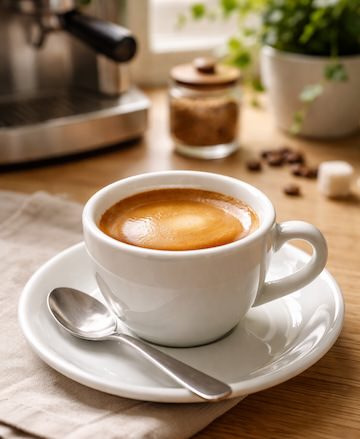
A growing movement within the specialty coffee community is questioning the traditional reverence for crema, that caramel-colored foam that crowns a freshly pulled espresso shot. Rather than admiring it as a sign of quality, these coffee lovers are actively skimming it off before drinking, and they’re getting creative about how they do it.

The techniques range from simple to sophisticated:

Manual methods include using spoons to skim the surface, gently blowing the crema to one side of the cup, or pouring the espresso through a small strainer. Some baristas have revived the old practice of giving the cup a quick swirl and discarding the foam that collects at the center.

Engineered solutions are where things get interesting. Home tinkerers and espresso obsessives are designing 3D-printed tools specifically for crema removal. Everything from specialized skimming spoons with precise angles to mesh filters that sit atop the cup during extraction. Some designs resemble tiny rakes or combs meant to lift away just the foam layer without disturbing the liquid beneath. Others function more like fine-mesh domes that allow the espresso to flow through while trapping the bubbles.

Why Remove Crema?

This might seem counterintuitive given how much emphasis traditional espresso culture places on crema as a quality indicator, but the reasoning is rooted in taste.

The bitter truth: Crema is composed largely of CO2 bubbles coated in coffee oils and fine particles. While visually appealing, it’s often the most bitter component of an espresso shot. Many coffee professionals argue that crema can mask the nuanced flavors of high-quality, freshly roasted beans, particularly the delicate fruit notes and acidity that specialty coffee drinkers prize.

Beyond taste, some drinkers find the foam texture unpleasant (not a problem for me), describing it as “soapy” or “gritty.” Removing it leaves a smoother, more liquid-forward drinking experience.

I try to stay with fresh, light-roasted specialty coffees, the crema can be especially pronounced and bitter. Removing it allows the sweeter, more complex flavors of the actual coffee to shine through without interference.

Why This May Matter to You

Whether you’re a home barista or a café regular, understanding this trend can enhance your coffee experience in several ways.

You might want to experiment a bit, you could be surprised by how different your favorite espresso tastes without its foamy cap. Try it both ways and see which you prefer, there’s no wrong answer, only personal preference.

While it is a default expectation of mine, the presence of thick, persistent crema isn’t necessarily a sign of a superior shot. Factors like roast date, bean variety, and extraction parameters all play larger roles in determining quality. Freeing yourself from the “crema = good” equation allows you to evaluate coffee based on flavor rather than appearance.

Please note that if you purchase from clicking on the link, some will result in my getting a tiny bit of that sale to help keep this site going. If you enjoy my work, perhaps you would consider donating to my daily cup of coffee, thank you.

Starting Your Coffee Brand: From Bean Dreams to Brewed Reality

It appears I may be spending a lot of time looking around at interesting things about coffee. Today a company popped up as something I might be interested in. Not a new coffee, nor a unique brewing system, rather it is a company that brands coffee beans packaging. OK, this has gotten me thinking, what would it take to start my own brand of coffee. Sort of backing up my regular search for a better cup of coffee, can I come up with something and share it. The company is MTPack Coffee, a coffee bean packaging branding option. I won’t get ahead of myself, here is my thoughts on what I will need to do to get a coffee bean company going.

Starting a coffee brand is an exciting opportunity to tap into a vibrant and dynamic industry. To begin, it’s crucial to thoroughly understand the market. Dive into current trends like sustainability, specialty coffee, and health-conscious options to discover what resonates with consumers. Look for gaps in the market that your brand can uniquely fill, whether that’s offering eco-friendly packaging, innovative flavors, or ethically sourced beans.

Defining your brand identity is equally important. A memorable name, logo, and compelling story can set you apart and engage your target audience. Consider what makes your brand special—perhaps it’s a focus on direct trade, premium quality, or distinctive blends—and use this to craft your unique value proposition.

Sourcing high-quality beans is fundamental to creating a reputable coffee brand. Building relationships with trustworthy suppliers ensures consistency and sustainability in your products. You’ll also need to decide whether to feature single-origin beans, blends, or flavored options. Once you’ve nailed down your sources, you can create an enticing product line that includes offerings like whole beans, ground coffee, or ready-to-drink cold brews. Packaging plays a vital role here, so opt for designs that stand out while being environmentally friendly.

Testing your products through taste tests and gathering feedback is a smart way to refine your offerings and ensure consistent quality. When your products are ready, it’s time to develop a strong marketing strategy. Utilize social media platforms to tell your brand’s story, showcase your products, and engage with coffee enthusiasts. Collaborating with influencers or partnering with local cafes can help build credibility and expand your reach. I like these fun coffee themed Thank You cards for getting back to folks, letting them know their time was valuable when they tried the coffee.

Starting small with a limited product range is a practical approach. As your brand gains traction, you can scale up by exploring online sales, subscription models, or partnerships with retailers. Staying innovative is key to staying relevant; keep an eye on emerging trends like functional coffee with added health benefits or unique brewing methods, and regularly introduce new products to keep your audience excited.

Starting a coffee brand requires dedication and creativity, but the rewards can be immense. 

Please note that if you purchase from clicking on the link, some will result in my getting a tiny bit of that sale to help keep this site going. If you enjoy my work, perhaps you would consider donating to my daily cup of coffee, thank you.

How Grinder Innovations Are Changing the Home Espresso Game

For home baristas, the right grinder can make all the difference in espresso quality, and recent innovations have been nothing short of transformative. From single-dosing convenience to ultra-fine adjustments, modern grinders are reshaping how we prepare and enjoy coffee at home.

The Rise of Single-Dosing

One of the biggest game-changers in espresso grinding has been the shift toward single-dosing. Traditionally, grinders used large hoppers that stored coffee beans, leading to stale grounds and limited flexibility. Newer designs, like the Niche Zero, revolutionized this by optimizing for grinding only the dose you need. This means switching between different beans, a medium roast for a cappuccino in the morning and a light roast for an afternoon espresso is now effortless. More manufacturers have followed suit, bringing single-dosing into the mainstream.

Advancements in Burr Design

The engineering behind burr design has also seen major improvements. Manufacturers are now using more sophisticated burr geometries and advanced materials to enhance performance. Some grinders feature specially coated burrs that reduce static (minimizing the mess of grounds sticking everywhere) and improve longevity. Others incorporate hybrid burr designs, blending the consistency of flat burrs with the flavor clarity of conical burrs, offering home baristas the best of both worlds.

Lower Retention, Less Waste

Retention—the amount of coffee that gets trapped inside the grinder has long been a frustration for espresso lovers. Older grinders could retain 2-3 grams of coffee, requiring frequent purges when switching beans or adjusting grind settings. It feels like an ongoing pain to brush out the grinder, both to get the max grounds out as well cleaning. Now, cutting-edge grinders incorporate clever retention-reducing features like:

  • Bellows systems to puff out trapped grounds
  • Angled grinding chambers for smoother flow
  • Anti-static materials to prevent grounds from clinging

Some modern grinders have reduced retention to as little as 0.1 grams, ensuring fresher, more consistent doses and eliminating unnecessary waste.

Precision Control for the Perfect Shot

Dialing in espresso requires precision, and grinder technology has made fine-tuning easier than ever. While older grinders often had 40-50 grind settings, newer models boast stepless or micro-stepped adjustments with hundreds of possible settings. This allows for ultra-fine adjustments, helping home baristas zero in on the perfect grind to bring out the best flavors in their coffee.

The Future of Home Espresso Grinding

With these advancements, home espresso grinding has never been more accessible, precise, and efficient. Whether you’re an experienced barista or just getting started, these innovations are making it easier to enjoy café-quality espresso right at home.

Please note that if you purchase from clicking on the link, some will result in my getting a tiny bit of that sale to help keep this site going. If you enjoy my work, perhaps you would consider donating to my daily cup of coffee, thank you.