
The Great Crema Debate: Why Coffee Lovers Are Removing That Golden Layer

If you’ve been scrolling through coffee forums or social media lately, you might have noticed something surprising: people are deliberately removing crema from their espresso. Even more intriguing, enthusiasts are designing and 3D-printing specialized tools specifically for this purpose. What’s driving this trend, and should you consider joining the crema-removal camp?
What’s Happening?

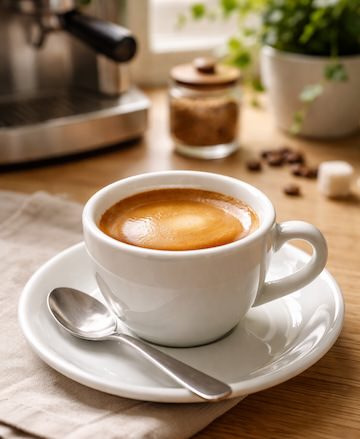
A growing movement within the specialty coffee community is questioning the traditional reverence for crema, that caramel-colored foam that crowns a freshly pulled espresso shot. Rather than admiring it as a sign of quality, these coffee lovers are actively skimming it off before drinking, and they’re getting creative about how they do it.

The techniques range from simple to sophisticated:

Manual methods include using spoons to skim the surface, gently blowing the crema to one side of the cup, or pouring the espresso through a small strainer. Some baristas have revived the old practice of giving the cup a quick swirl and discarding the foam that collects at the center.

Engineered solutions are where things get interesting. Home tinkerers and espresso obsessives are designing 3D-printed tools specifically for crema removal. Everything from specialized skimming spoons with precise angles to mesh filters that sit atop the cup during extraction. Some designs resemble tiny rakes or combs meant to lift away just the foam layer without disturbing the liquid beneath. Others function more like fine-mesh domes that allow the espresso to flow through while trapping the bubbles.

Why Remove Crema?

This might seem counterintuitive given how much emphasis traditional espresso culture places on crema as a quality indicator, but the reasoning is rooted in taste.

The bitter truth: Crema is composed largely of CO2 bubbles coated in coffee oils and fine particles. While visually appealing, it’s often the most bitter component of an espresso shot. Many coffee professionals argue that crema can mask the nuanced flavors of high-quality, freshly roasted beans, particularly the delicate fruit notes and acidity that specialty coffee drinkers prize.

Beyond taste, some drinkers find the foam texture unpleasant (not a problem for me), describing it as “soapy” or “gritty.” Removing it leaves a smoother, more liquid-forward drinking experience.

I try to stay with fresh, light-roasted specialty coffees, the crema can be especially pronounced and bitter. Removing it allows the sweeter, more complex flavors of the actual coffee to shine through without interference.

Why This May Matter to You

Whether you’re a home barista or a café regular, understanding this trend can enhance your coffee experience in several ways.

You might want to experiment a bit, you could be surprised by how different your favorite espresso tastes without its foamy cap. Try it both ways and see which you prefer, there’s no wrong answer, only personal preference.

While it is a default expectation of mine, the presence of thick, persistent crema isn’t necessarily a sign of a superior shot. Factors like roast date, bean variety, and extraction parameters all play larger roles in determining quality. Freeing yourself from the “crema = good” equation allows you to evaluate coffee based on flavor rather than appearance.

Please note that if you purchase from clicking on the link, some will result in my getting a tiny bit of that sale to help keep this site going. If you enjoy my work, perhaps you would consider donating to my daily cup of coffee, thank you.

Fake Coffee Alert! What You Need to Know Before You Buy

Lately, concerns have been growing over the rise of “fake coffee” in the market, particularly in Brazil, where coffee prices have surged over 50% in just a few months. These counterfeit products are often sold as powdered alternatives to real coffee but contain little to no actual coffee beans. Instead, they are made from coffee waste, vegetable pulp, and artificial coffee flavoring, creating a misleading substitute that can deceive unsuspecting consumers. The Brazilian Coffee Roasters Association (ABIC) has raised alarms, identifying brands that package these products in a way that mimics authentic coffee while quietly labeling them as “coffee-flavored beverages.” In response, the association has asked regulatory agencies to investigate their legality and potential impact on the market.

One of the biggest concerns with fake coffee is its caffeine content—or lack thereof. Since these powders may include coffee peels and leaves, they might contain some caffeine, but in much smaller amounts than real coffee. Some versions have no caffeine at all, relying solely on artificial flavoring. Another key difference is their physical form. These products are never sold as whole beans, only as powder, making it easier for manufacturers to distinguish them from genuine ground coffee while still misleading consumers with packaging that features steaming coffee cups and bold “coffee-like” branding.

For those wanting to avoid fake coffee, there are several ways to spot it. First, always check the label. Authentic coffee will clearly state that it contains “100% coffee,” whether Arabica or Robusta. Fake coffee, on the other hand, often uses vague phrases like “coffee-flavored beverage” or “contains artificial coffee flavor.” Examining the ingredient list is also crucial—if it includes vegetable pulp, coffee peels, soy, corn, or chicory, it’s likely not real coffee. Price can also be a major clue. If a product is significantly cheaper than standard coffee brands, it’s worth taking a closer look. Fake coffee is often marketed as an affordable alternative, but its lower price comes at the cost of quality and authenticity.

Another way to detect fake coffee is by paying attention to texture and aroma. Real coffee grounds have a grainy, slightly oily feel and release a strong, rich scent. Fake coffee powders, however, tend to be finer, drier, and sometimes lack a distinct coffee fragrance. If you suspect a product might be fake, a simple water test can help confirm your suspicions. Mixing a spoonful of it with cold water can reveal its composition—real coffee grounds will float, while many fake coffee powders dissolve quickly due to added starches or fillers.

To ensure you’re drinking only high-quality coffee, it’s best to stick with trusted brands and reputable specialty coffee roasters. When trying new brands, researching them online and checking customer reviews can help you make an informed decision. Avoiding purchases from unregulated marketplaces or unfamiliar sellers is another safeguard against buying counterfeit coffee. With coffee prices fluctuating and new products constantly emerging, staying informed is the best way to protect both your taste buds and your wallet.

Please note that if you purchase from clicking on the link, some will result in my getting a tiny bit of that sale to help keep this site going. If you enjoy my work, perhaps you would consider donating to my daily cup of coffee, thank you.

Espresso Pressure Profiling – Unpacking the Next Level of Espresso

There appears to have been big new mid last year about espresso pressure profiling. It looks to be a fascinating aspect of modern espresso making. After watching videos and reading a bunch, it feels like this is something that should be shared in case others missed hearing about it too.

Traditional espresso machines maintain a constant 9 bars of pressure throughout the extraction. But pressure profiling machines allow you to vary this pressure during different phases of the shot, similar to how a barista might adjust their technique during manual lever extraction.

For example, you might start with a gentle 2-3 bars for pre-infusion, which allows the coffee puck to gradually saturate and expand. Then you could ramp up to full pressure for the main extraction, and finally taper down toward the end of the shot. This control lets you:

  • Reduce channeling (when water finds weak spots in the puck)
  • Highlight different flavor characteristics (acidity, sweetness, body)
  • Compensate for different roast levels and bean densities
  • Create “flow profiles” that mimic different classic machines or styles

Machines like the Decent DE1, La Marzocco GS3 MP, and even some Lelit models were making this technology more accessible to home users. The Decent in particular was revolutionary because it offered real-time pressure, flow, and temperature graphs, letting users visualize and replicate their best shots.

The pressure changes during espresso extraction affect taste in several interesting ways:

During the pre-infusion phase, we work with low pressure between 2-3 bars, which is crucial for preparing the coffee puck for optimal extraction. This gentle initial pressure allows the coffee grounds to expand evenly as they become saturated with water. This careful start helps prevent channeling issues that could otherwise lead to sour or bitter flavors in your cup. It’s particularly effective with light roasts, as it helps draw out delicate flavors and aromatics while maintaining a balanced acidity in the final shot.

The peak pressure phase, running at 8-9 bars, is where the main extraction magic happens. This is when we extract the essential flavors and oils from the coffee grounds, creating that beautiful crema that espresso is famous for. During this phase, the high pressure develops the full body and intensity of your shot, and it’s especially effective at bringing out those beloved chocolatey and nutty notes that are characteristic of medium and dark roasts.

As we move into the declining pressure phase, the pressure gradually reduces to 6-4 bars, which plays a crucial role in finishing the shot properly. This gradual reduction prevents over-extraction that could lead to unwanted bitterness in your cup. The declining pressure helps maintain the sweetness in the final moments of extraction while enhancing the clarity of the overall flavor profile. This phase is particularly important when working with lighter roasts, as it helps prevent any astringent notes from developing in the final taste.

For example, if you’re working with a fruity Ethiopian coffee, you might use a longer pre-infusion to really develop those berry notes, then a gentler peak pressure to avoid making it too sharp. For a chocolatey Brazilian bean, you might use a shorter pre-infusion but maintain higher pressure longer to develop those rich, sweet notes.

Please note that if you purchase from clicking on the link, some will result in my getting a tiny bit of that sale to help keep this site going. If you enjoy my work, perhaps you would consider donating to my daily cup of coffee, thank you.
Espresso Tamping Technique: Your Secret to Perfect Shots

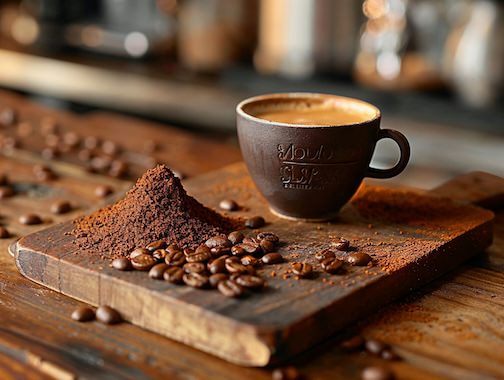
Pressing and compressing coffee grounds in the espresso holder, known as “tamping,” is a critical step in preparing espresso. This process has significant implications for the quality of the espresso shot. Tamping creates a flat, even bed of coffee grounds, ensuring that water passes through at a consistent rate for an even extraction. This uniformity is crucial for achieving a balanced and flavorful espresso shot, as it prevents the water from channeling through the grounds unevenly, which can result in a shot that is either too weak or too bitter.

The resistance created by the compressed grounds is essential for building up the pressure needed for espresso extraction, which is responsible for producing the signature crema that tops a well-extracted espresso.

However, mastering the tamping process requires practice and technique, as achieving the right pressure (typically around 30 pounds of force) and ensuring an even distribution of coffee grounds is not always straightforward. Inconsistencies in tamping can lead to uneven extraction, undermining the quality of the espresso.

The physical effort involved in tamping, especially in high-volume settings, can be demanding, although this is more of an issue for professional baristas than for home espresso enthusiasts. It’s also worth noting that different espresso machines and baskets might require adjustments in tamping technique or pressure, adding another layer of complexity to the process.

Despite these challenges, the benefits of proper tamping are undeniable. It allows for greater control over the extraction rate, influencing the espresso’s strength and flavor profile, and ultimately contributes to a superior espresso experience. The key to successful tamping lies in practice and understanding the nuances of one’s espresso machine and preferences, making it an indispensable skill for any espresso maker.

Please note that if you purchase from clicking on the link, some will result in my getting a tiny bit of that sale to help keep this site going. If you enjoy my work, perhaps you would consider donating to my daily cup of coffee, thank you.
Global Grinds: Enjoying Coffee Traditions Named After Nations

Coffee, one of the world’s most beloved beverages, has a rich and diverse tradition that spans across countries and cultures. The way it is prepared and consumed varies widely, offering a distinct testament to the unique culinary artistry of each region. These variations have often been so significant that several coffee preparations have been named after the countries or regions where they were originated or popularized. From the potent, drip-filtered delight of Vietnamese coffee to the sweet, rich notes of a Cuban Cafecito, the world of coffee is as diverse as the countries they represent. I have been researching popular named ones, here is a list of coffee drinks that are named after the countries they are associated with:

  1. Vietnamese coffee: This is often made with a small metal French drip filter and sweetened condensed milk.
  2. Turkish coffee: A method of coffee preparation where finely powdered roast coffee beans are boiled in a pot, usually with sugar, and served where the grounds are allowed to settle.
  3. Italian coffee (Espresso): A concentrated form of coffee served in small, strong shots and is the base for many coffee drinks.
  4. Greek coffee: Similar to Turkish coffee, but is sometimes served with a glass of cold water.
  5. Cuban coffee (Cafecito): This is a type of espresso that originated in Cuba after espresso machines were first imported there from Italy.
  6. Irish coffee: A cocktail consisting of hot coffee, Irish whiskey, and sugar, stirred, and topped with cream.
  7. Mexican coffee (Cafe de olla): It is traditional Mexican coffee beverage. To prepare cafe de olla, it is essential to use a traditional earthen clay pot, as this gives a special flavor to the coffee.
  8. Ethiopian coffee (Buna): Coffee is a huge part of Ethiopian culture, and the coffee ceremony is a common practice. Buna is a type of coffee prepared in a special Ethiopian clay coffee pot known as a jebena.

Remember, the naming of these coffees does not necessarily mean that they are exclusively consumed in these countries, or that they are the most popular coffee drinks in those countries. The names often reflect where the style of coffee was created or has a cultural significance. I will continue to expand on more particular information about these, I have already dug into a few of these and shared.

Please note that if you purchase from clicking on the link, some will result in my getting a tiny bit of that sale to help keep this site going.