
Mocha Magic: Blending Chocolate and Coffee to Liquid Bliss

The allure of a mocha latte lies in its beguiling blend of rich chocolate and bold coffee, a marriage of flavors that has been celebrated across cultures and continents. It is my go-to default drink when going to a coffee cafe that doesn’t have a house special drink. There’s something about the union of sweet, decadent chocolate and the robust, slightly bitter notes of coffee that creates a concoction akin to liquid bliss. I thought I would explore with you the magical fusion of chocolate and coffee that makes a mocha, the variations of this delightful brew, and its enduring appeal to palates worldwide.
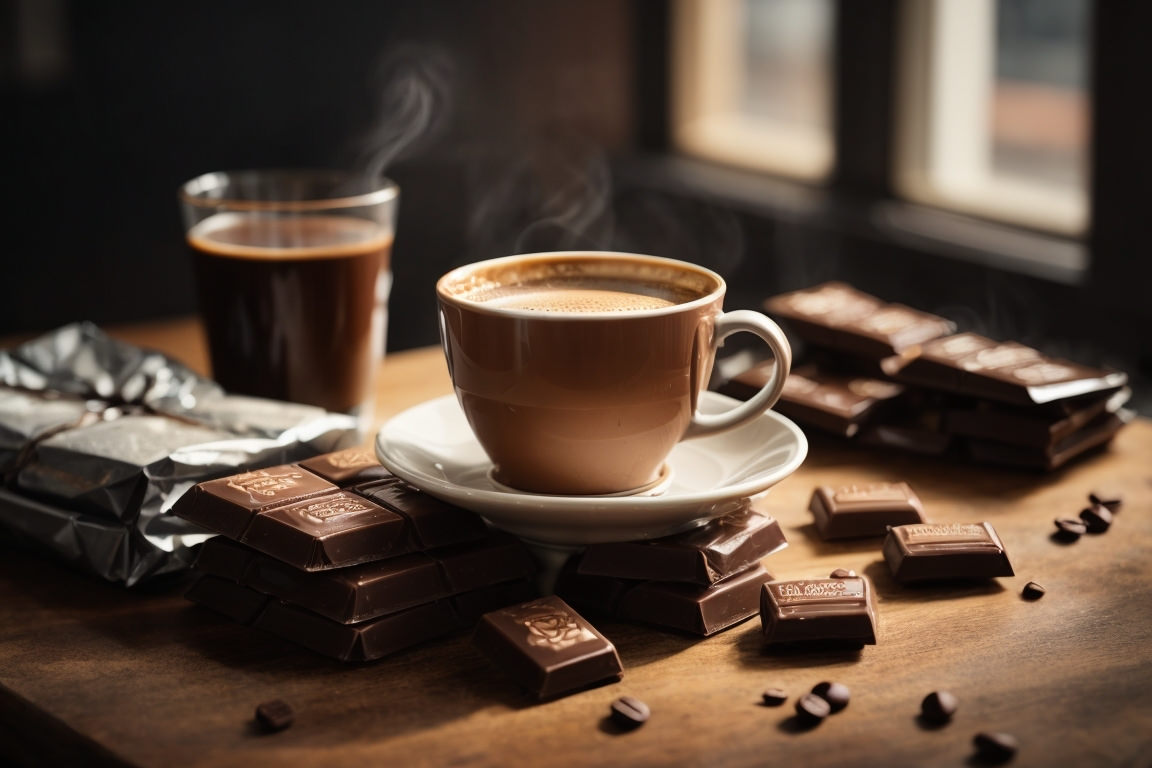
Looking back, the concept of blending chocolate and coffee is not new; it traces its roots back to ancient civilizations. I remember hearing in grade school about the Mayans and Aztecs, who were among the first to cultivate cocoa and coffee beans, appreciated the intrinsic goodness and invigorating properties of these ingredients. The modern-day mocha pays homage to this ancient tradition, fusing these two potent flavors into a luxurious brew that warms the soul.

A classic mocha comprises espresso, steamed milk, and chocolate syrup. Admittedly, I always go with half the chocolate most people and cafe put into their drinks. The richness of the chocolate balances the strong, bitter undertones of the espresso, while the milk adds a creamy texture that makes each sip a velvety experience. Again, not my preference, but the mocha is often topped with a dollop of whipped cream, a sprinkle of cocoa powder, or a drizzle of chocolate syrup, enhancing the indulgence of this beloved beverage.

The versatility of what people interoperate as a mocha allows for numerous variations and innovations. Some prefer a white chocolate mocha for a sweeter, creamier taste, while others opt for a dark chocolate mocha for a bolder, more robust flavor profile. The addition of various syrups, spices like cinnamon or nutmeg, and even chili, provide a myriad of options for those looking to explore the extensive spectrum of mocha flavors. A lot of chocolate makers offer a tourist stop where they make mocha coffees with their unique chocolate.

Like the special chocolate locations, the mocha holds a special place for baristas in the realm of specialty coffee. Coffee connoisseurs and baristas revel in the opportunity to craft mochas that not only satisfy the taste buds but also serve as a visual delight. From intricate latte art to innovative presentations, the mocha serves as a canvas for showcasing the artistic and culinary prowess inherent in the coffee culture.

Or course, while indulging in a mocha may feel like a guilty pleasure, to make me feel better I found mentions that there are some health benefits associated with the ingredients. The antioxidants in coffee and chocolate can help combat free radicals, while the caffeine can provide a much-needed energy boost. However, it’s essential to enjoy mochas in moderation due to the high sugar and calorie content.

The magical blend of chocolate and coffee in a mocha latte encapsulates a rich historical tradition and a sensory journey of flavors. Its versatility allows for endless variations, making the mocha a cherished staple in coffee shops around the globe. Whether you prefer the classic rendition or an innovative twist, the mocha’s ability to blend tradition with modernity ensures its position as a timeless beverage of choice for many.

Please note that if you purchase from clicking on the link, some will result in my getting a tiny bit of that sale to help keep this site going.

From Bean to Cup: The Science Behind Your Coffee Ritual

Coffee – the aromatic, energizing beverage that millions of people around the world rely on to kickstart their day. Its invigorating aroma, rich taste, and ability to keep us awake make it an essential part of our daily routine. But have you ever wondered about the science behind this popular beverage? From the humble coffee bean to the perfectly brewed cup, there’s a fascinating story unfolding in the background. In this article, we’ll explore the complex journey of coffee and uncover the scientific processes that give us our beloved morning pick-me-up.

Planting and Growing Coffee begins its journey as a seed, planted in the soil of coffee-growing regions across the globe. Two primary species of coffee plants are cultivated for commercial purposes – Coffea arabica and Coffea canephora (also known as Robusta). Arabica beans are generally more sought after, as they have a milder, more nuanced flavor profile compared to the stronger, more bitter Robusta beans.

The coffee plants thrive in tropical climates, requiring ample rainfall, moderate temperatures, and specific altitudes. These factors significantly impact the final taste of the coffee bean, making terroir (the environmental factors that affect a crop’s characteristics) an essential aspect of coffee production.

Harvesting and Processing Once the coffee cherries reach their peak ripeness, they are harvested either by hand or using machinery. The cherries are then processed to remove the beans from the fruit, typically using one of two methods – the dry method or the wet method.

The dry method involves spreading the cherries out in the sun to dry, which can take several weeks. The wet method uses water to separate the beans from the fruit, followed by fermentation to remove any remaining pulp. This method is faster and generally produces a cleaner, brighter flavor in the final product.

Roasting Roasting is where the magic truly happens, transforming green coffee beans into the rich, aromatic beans we know and love. The roasting process involves heating the beans at high temperatures (usually between 350°F and 500°F) for a specific amount of time, depending on the desired roast level.

During roasting, several chemical reactions occur, including the Maillard reaction and caramelization. The Maillard reaction is responsible for creating the vast array of flavors and aromas that coffee offers, while caramelization contributes to the sweetness and body of the brew.

Grinding Grinding coffee beans breaks them down into smaller particles, increasing their surface area and allowing for better extraction of flavors during brewing. The fineness of the grind will depend on the brewing method used. For example, a coarse grind is ideal for a French press, while a fine grind is better suited for an espresso machine.

Brewing The final step in the journey from bean to cup is brewing. The brewing process involves extracting flavor compounds from the coffee grounds using hot water. There are several methods to brew coffee, including drip coffee makers, French press, pour-over, espresso machines, and more.

Each brewing method has its unique characteristics, affecting factors such as brewing time, water temperature, and coffee-to-water ratio. These variables play a crucial role in determining the final taste and strength of your cup of coffee.

The journey of coffee from bean to cup is a complex and fascinating process, involving a multitude of scientific reactions and carefully controlled variables. Understanding the science behind your morning coffee ritual adds a new level of appreciation for this beloved beverage. So next time you take a sip of your freshly brewed coffee, take a moment to ponder the incredible journey it has taken to reach your cup.

Please note that if you purchase from clicking on the link, some will result in my getting a tiny bit of that sale to help keep this site going.
Elevate Your Coffee Experience: 5 Milks and Their Benefits

Coffee is the most widely consumed beverage globally, with a multitude of milk options used to create various coffee drinks that cater to different tastes and preferences. Each type of milk has unique characteristics and taste profiles, contributing to the vast diversity of flavors in coffee. In this discussion, we will delve deeper into the five types of milk commonly used in coffee drinks, examining their unique properties and nutritional values.

Whole milk is the most commonly used milk in coffee drinks, offering a creamy texture and rich flavor that many people find satisfying. Whole milk typically contains around 3-4% fat content, which adds to its creaminess and sweetness. It is also an excellent source of calcium and Vitamin D, essential nutrients for maintaining strong bones and overall health.

Skim milk, or fat-free milk, has a significantly lower fat content than whole milk, usually around 0.5%. This results in a thinner and lighter texture in coffee, which some people may find less satisfying. However, for those conscious of their calorie intake or looking to reduce their fat consumption, skim milk can be a healthier choice. Additionally, it still provides essential nutrients such as calcium and vitamins.

Almond milk is a popular dairy-free alternative for those seeking a plant-based option or those with lactose intolerance. Made from ground almonds and water, it has a nutty and creamy taste, although it may be less creamy than dairy milk. Almond milk generally contains fewer calories than dairy milk, and it’s also a good source of Vitamin E, which is essential for maintaining healthy skin.

Soy milk is another widely used dairy-free alternative, made from soybeans. It provides a nutty and mild taste in coffee that some people prefer over other non-dairy options. Soy milk is high in protein and low in fat, making it a popular choice among health-conscious consumers. It is also a good source of essential nutrients such as calcium, vitamins, and minerals.

Oat milk has gained popularity recently due to its mild, oat-like taste and creamy texture that resembles dairy milk. Made from oats and water, it is a suitable option for those who have nut allergies or prefer a nut-free alternative. Oat milk is also rich in fiber and contains beta-glucan, which can help lower cholesterol levels and promote heart health.

Lastly, coconut milk is a dairy alternative with a distinct, tropical flavor that can add an exotic twist to your coffee. Made from the grated flesh of mature coconuts, it contains lauric acid, a healthy saturated fat known for its antimicrobial properties and potential to boost the immune system.

In conclusion, there are many milk options available for coffee drinks, each with its own unique characteristics and nutritional benefits. By experimenting with different types of milk, you can find the perfect combination for your coffee, allowing you to enjoy the diverse flavors and textures each option provides while catering to your dietary preferences and nutritional needs.

Please note that if you purchase from clicking on the link, some will result in my getting a tiny bit of that sale to help keep this site going.

Different Milks and How They Change Your Coffee

Are you like me, one of those people who can’t start their day without a cup of coffee? If yes, then you know how a cup of coffee can make or break your day. But have you ever thought about the kind of milk you use in your coffee? Did you know that the type of milk used can change the flavor and foam of your coffee? In this blog post, we’ll discuss the different types of milk and how they affect your coffee.

Whole Milk:

Whole milk is the most commonly used milk in coffee shops. With a fat content of around 3-4%, it creates a creamy texture that complements the coffee’s taste. The fat content in the milk adds sweetness and helps to bind with the coffee, creating a perfect balance in taste. It also creates a thick foam that doesn’t dissolve as easily. It’s perfect for those who prefer a richer and creamier texture and flavor in their coffee.

2% Milk:

2% milk is also known as reduced-fat milk as it has a lower fat content than whole milk, at around 2%. It creates a lighter texture and flavor in the coffee, making it ideal for espresso drinks like lattes and cappuccinos. If you enjoy the taste of coffee, but are looking for a lighter option, 2% milk is a great choice.

Lactose-Free Milk:

Lactose-free milk is perfect for those who are lactose intolerant, but still want to enjoy their coffee with milk. This milk is made by removing lactose, which is the sugar found in milk, so people who are lactose intolerant can easily digest it. Lactose-free milk has a similar texture to whole milk, but it doesn’t taste as sweet as whole milk. It also creates a decent foam, similar to 2% milk.

Fat-Free Milk:

Fat-free milk or skim milk has the lowest fat content, around 0.5%. The lack of fat in the milk means that it creates a more watery texture in the coffee, which isn’t ideal for those who enjoy the creaminess of milk in their coffee. Fat-free milk also creates a thinner foam which often dissipates quickly, making it harder to create latte art. If you’re someone who is looking to cut down their calorie intake, then this option is perfect for you.

Plant-Based Milk:

Plant-based milk, made from soy, almond, oat, and other non-dairy alternatives, provides a unique flavor profile to your coffee. They can add a nutty or sweet flavor, but they can also make coffee taste weak or watery, depending on the milk you choose. Plant-based milk also creates a thin foam that may not hold up as well as dairy milk. If you are vegan or lactose intolerant or simply want to try new things, plant-based milk is an excellent option.

In conclusion, the type of milk you choose will affect the flavor and foam of your coffee. Whole milk is perfect for those looking for a rich, creamy experience, while 2% milk provides a lighter texture. Lactose-free milk is perfect for those who can’t tolerate lactose, while fat-free milk is great for those looking for a low-calorie option. Finally, plant-based milk provides a unique flavor profile to your coffee. Choose your milk based on your needs and taste preferences and let it enhance your coffee experience.

Please note that if you purchase from clicking on the link, some will result in my getting a tiny bit of that sale to help keep this site going.

The Buzz on Coffee in Your Beauty Routine

Coffee is not just your morning pick-me-up, it is also a game-changer in the beauty world. From dark undereye circles to cellulite, coffee is used in various cosmetic products to enhance their effectiveness. In this blog post, we will delve deeper into the benefits of coffee and how it enhances cosmetic products.

Reducing puffiness: The caffeine content in coffee is known to reduce puffiness and inflammation, making it a popular ingredient in eye creams and masks. Applying coffee-infused products under your eyes can reduce the appearance of dark circles and brighten your skin.

Exfoliating properties: Coffee grounds have coarser particles compared to sugar, making them an excellent natural exfoliant. Coffee scrubs and body polishes help reveal smoother, softer skin by removing dead skin cells and stimulating blood flow. Some coffee scrubs also include moisturizing ingredients like coconut oil to prevent the skin from drying out.

Fighting cellulite: Cellulite is a common concern among people and caffeine can help combat its appearance. The caffeine content in coffee helps dilate blood vessels, which in turn improves circulation and reduces the appearance of cellulite. Many cellulite products have caffeine as a key ingredient to provide a smoother appearance.

Anti-aging properties: Coffee is rich in antioxidants that protect the skin from damage caused by environmental factors like pollution and UV rays. This makes it an ideal ingredient in anti-aging products that prevent wrinkles, fine lines, and age spots. Caffeine also helps tighten the skin and reduce inflammation, which leads to a more youthful appearance.

Soothing properties for the scalp: Coffee is widely known to provide a natural boost to your hair’s shine and vibrancy, but it can actually offer many other benefits for your scalp as well. The caffeine in coffee can soothe a dry or itchy scalp while also stimulating hair growth. Coffee may also help hair retain its natural color and prevent graying.

These are just a few of the ways in which coffee can enhance your cosmetic products. From reducing puffiness to fighting cellulite, coffee is a natural ingredient packed with beauty benefits. Next time you’re on the hunt for skincare or haircare products, look for those that feature coffee as a prominent ingredient- your skin (and hair!) will thank you for it.

Please note that if you purchase from clicking on the link, some will result in my getting a tiny bit of that sale to help keep this site going.