
The Great Caffeine Debate: Light vs. Dark Roast Coffee

For coffee lovers everywhere, there is nothing quite like that first cup of coffee in the morning. But did you know that the type of coffee you drink can actually make a difference in how much caffeine you’re getting? That’s right, light and dark roast coffee beans have different caffeine levels. So which one should you choose if you’re looking for a little extra pep in your step? Let’s take a closer look.

Light Roast Coffee Beans

Light roast coffee beans are roasted for a shorter period of time than dark roast beans. This results in a lighter colored bean with a milder flavor. Because they are roasted for less time, light roast beans actually have more caffeine than their dark roast counterparts. So if you’re looking for an extra energy boost in the morning, light roast coffee is the way to go.

Dark Roast Coffee Beans

Dark roast coffee beans are roasted for a longer period of time than light roast beans. This results in a darker colored bean with a bolder flavor. While they may not have as much caffeine as light roast beans, dark roast beans make up for it with their rich flavor profile. So if you’re looking for a robust cup of coffee with plenty of depth, dark roast is the way to go.

At the end of the day, it’s up to you to decide which type of coffee bean is right for you. If you’re looking for a little extra energy in the morning, go for light roast. If you’re looking for a rich and flavorful cup of coffee, go for dark roast. And if you can’t decide, why not try both and see which one you like best? After all, there’s nothing wrong with enjoying a cup of both light and dark roast coffee every once in awhile.

All this talk of beans, don’t forget you can grind your own so you can play with the grind and deepness of the bean to find the flavor and wake up power that suites your needs. Please note that if you purchase from clicking on the link, some will result in my getting a tiny bit of that sale to help keep this site going.
Decoding Coffee Labels: What Does ‘Single Origin’ and ‘Fair Trade’ Really Mean?

Coffee labels can be confusing for many consumers, with terms like “single origin” and “fair trade” often appearing on bags of beans or in coffee shop menus. Understanding these terms can help you make more informed choices when selecting your coffee and support sustainable and ethical practices in the coffee industry. I did a bit of research that I hope clears some things up, it did for me.

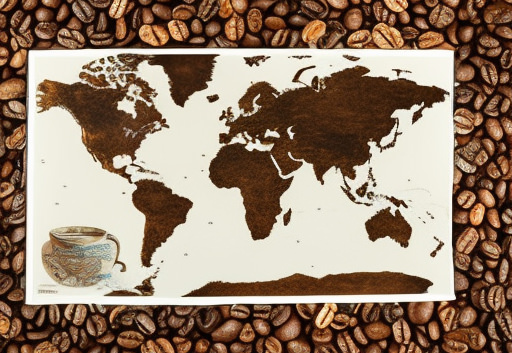
“Single origin” refers to coffee that comes from a single geographic location, usually a particular farm, region, or country. This means that the coffee beans in the bag are all from the same source and have not been blended with beans from other locations. Single origin coffee can offer a unique flavor profile that reflects the characteristics of the specific region where the beans were grown. This term can also indicate transparency in the supply chain and traceability of the beans back to their origin.

“Fair trade” is a certification that ensures coffee farmers receive a fair price for their beans and have access to safe working conditions and sustainable farming practices. The certification is awarded by a third-party organization that assesses whether a coffee producer meets certain social and environmental standards. Fair trade coffee aims to provide better wages and working conditions for farmers, promote sustainable farming practices, and ensure transparency and traceability in the supply chain.

“Organic” coffee refers to coffee that has been grown without the use of synthetic pesticides or fertilizers. This means that the coffee beans are produced using natural methods and do not contain harmful chemicals. Organic coffee is often considered more sustainable and environmentally friendly than conventionally grown coffee.

“Shade grown” coffee is coffee that has been grown under a canopy of trees, often in a natural or forested environment. This method of coffee production can have positive environmental impacts, as it preserves biodiversity and provides a habitat for migratory birds and other wildlife. Shade grown coffee can also have unique flavor characteristics that reflect the particular microclimate of the region where it was grown.

Direct trade” refers to a sourcing model in which coffee roasters purchase beans directly from the farmers who grow them. This can help ensure transparency and fairness in the supply chain, as well as support sustainable farming practices and the economic livelihoods of coffee producers. Direct trade coffee can offer unique flavor profiles and a higher level of traceability than traditional sourcing models.

“Rainforest Alliance certified” coffee refers to coffee that has been produced using environmentally sustainable and socially responsible practices. The certification is awarded by a third-party organization that assesses whether coffee producers meet certain standards for environmental conservation and social responsibility. Rainforest Alliance certified coffee can promote biodiversity, improve soil health, and support the economic well-being of coffee producers.

In summary, decoding coffee labels can help you make more informed choices when selecting your coffee and support sustainable and ethical practices in the coffee industry. Terms like “single origin,” “fair trade,” “organic,” “shade grown,” “direct trade,” and “Rainforest Alliance certified” can all indicate transparency, traceability, sustainability, and social responsibility in the coffee supply chain. By understanding these terms and their implications, you can help support a more sustainable and equitable coffee industry.

Please note that if you purchase from clicking on the link, I will get a tiny bit of that sale to help keep this site going.
 A Cup of Coffee in the Future Continues 

The coffee industry has been around for centuries, and it’s no secret that it’s not going away anytime soon. Let’s continue to explore what will coffee be like in the future? With new technology, advancements in research, and changing consumer trends, there are a lot of possibilities for the future of coffee. Let’s take another look at what we can expect to see in the coming years.

Robot Baristas 

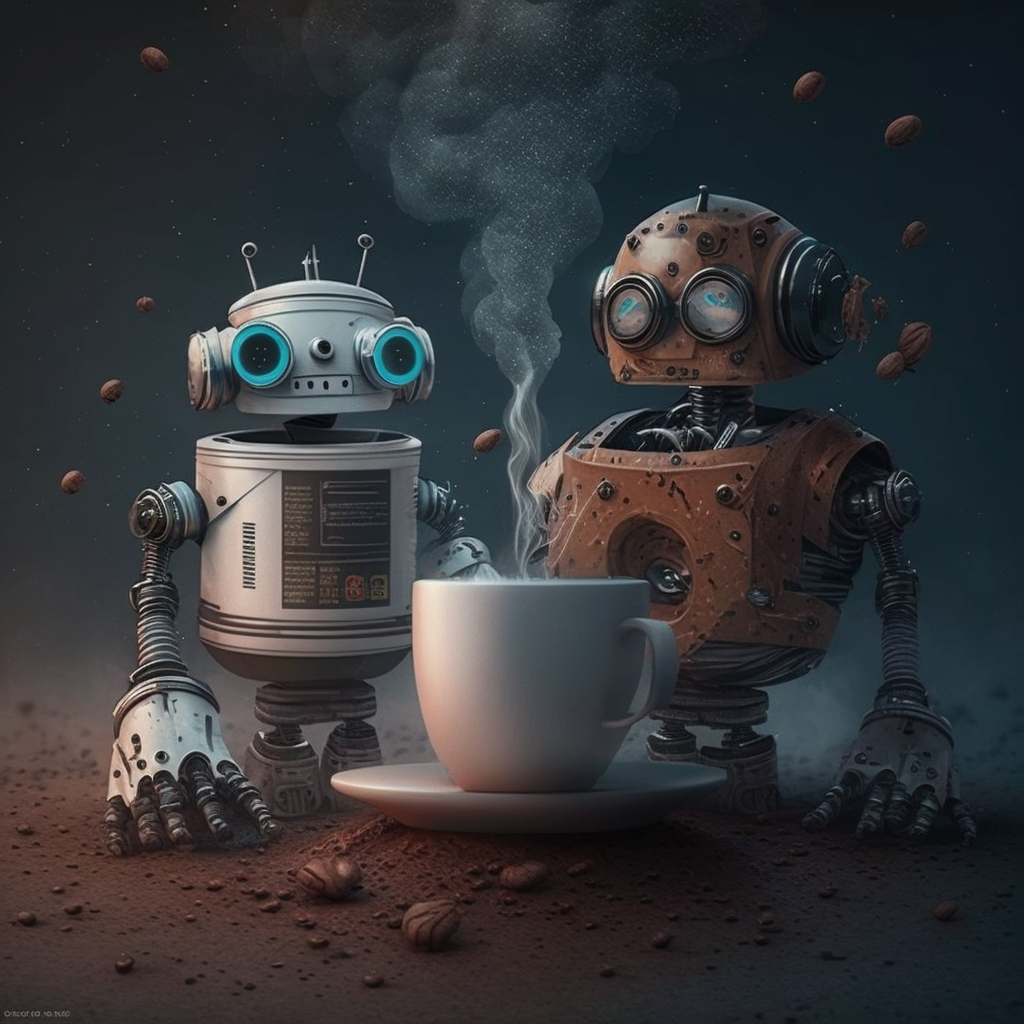
With the rise of automation and artificial intelligence, robots may soon be taking over the job of barista. Companies are already developing robotic barista machines that can make coffee orders with little to no human intervention. These machines use sensors and voice recognition to interact with customers and take their orders. They can also grind beans, tamp espresso shots, steam milk and pour latte art. While this technology is still in its early stages, it could eventually replace baristas at cafes around the world. 

Coffee Subscriptions 

Coffee subscriptions have become increasingly popular over the past few years as consumers look for convenient and cost-effective ways to get their daily caffeine fix. In the future, subscription services are likely to become even more popular as companies offer personalized subscriptions tailored to individual needs and preferences. For example, one company may offer an all-in-one subscription service that provides freshly roasted beans delivered directly to your door every month or customized blends based on your flavor preferences.  

Innovation in Roasting Technology 

We can expect to see rapid advancements in roasting technology over the next few years. New innovations such as automated roasters that can precisely control temperature, air flow, and other variables will allow us to perfect our craft and bring out more nuanced flavors from each batch of beans. In addition, advances in sensor technology will allow us to keep track of each batch with unprecedented accuracy. 

Coffee on Demand 

The trend toward convenience is one that we are likely to continue seeing in the future. Coffee shops have already started offering pre-packaged “pour over kits” so customers can make their own cup of pour over coffee at home without having to buy all the individual components. We may also start to see more “coffee on demand” services where customers can order a freshly brewed cup of coffee from their mobile devices without ever having to leave their homes or offices. 

Sustainable Practices 

Another trend that is likely to continue into the future is sustainable practices within the industry. Many coffee companies have already committed themselves to sourcing only ethically-sourced beans and working with local farmers who use sustainable growing practices. We may also start to see more companies using biodegradable packaging materials or even compostable cups as they strive towards zero waste goals.  Ultimately, consumers are becoming increasingly aware of where their food comes from and how it was produced — and this trend isn’t slowing down anytime soon. 

The future of coffee looks bright! With new innovations in roasting technology, convenience offerings such as “coffee on demand” services, and a greater emphasis on sustainability within the industry, we can expect to see some exciting developments over the next few years. Whether you’re an avid coffee drinker or just an occasional caffeine fix seeker, you’ll want to stay tuned for all these exciting changes

Is there a cross over between a computer world and the analog flavor for our coffee. Here is a ‘pour over’ coffee maker that does the pouring for you. What else will be coming to the home automation of simple coffee brewing? Please note that if you purchase from clicking on the link, I will get a tiny bit of that sale to help keep this site going.

How to Store Coffee Beans for Optimal Freshness

If you’re a coffee lover, then you know the importance of finding and storing quality coffee beans. Good coffee beans can make or break your cup of coffee, and if you want to ensure that your coffee tastes great every time, it’s important to learn how to store them correctly. Let’s explore the best ways to store coffee beans so that they always maintain their flavor and freshness. 

Storing in an Airtight Container 

The most important consideration when it comes to storing your coffee beans is ensuring that they are kept in an airtight container. The presence of oxygen can make your beans stale very quickly, so if you want them to stay fresh for as long as possible, it’s essential that you store them in a sealed container where no oxygen can reach them. Mason jars or zip-lock bags work well for this purpose; just make sure they are tightly sealed so no air can get in. 

Temperature Control 

In addition to sealing your beans away from oxygen, it’s also important to make sure they aren’t subjected to extreme temperatures. Ideally, you should keep your beans at room temperature; if exposed to cold temperatures for too long, the oils inside the bean could become solidified, ruining their flavor and aroma. On the other hand, keeping them at high temperatures for too long will cause them to go stale much faster than usual. So keep them at a consistent temperature between 60-70 degrees Fahrenheit (or 15-21 degrees Celsius) and they should stay good for weeks or even months. 

Light Exposure 

Another factor that can affect the longevity of your beans is light exposure. If stored in direct sunlight or any other intense light source, the flavor and aroma of the coffee will degrade quickly due to oxidation caused by UV rays. To avoid this problem altogether, store your beans in a dark place like a kitchen cupboard or pantry shelf—they should be safe there from both temperature fluctuations and light exposure.  

Storing coffee beans correctly is essential if you want your cup of coffee to taste its best every time. Make sure you seal them away from oxygen in an airtight container and keep them at room temperature away from any direct light sources—these steps will ensure that your beans remain flavorful and aromatic for weeks or even months. With these tips in mind, anyone can enjoy delicious cups of freshly brewed coffee whenever they please.

I have a variety of containers that I tried over the years. For constantly used beans, I use an air tight clear plastic since I’m not concerned about light. For beans I use for an occasional special treat coffee, I use a container like the Mueller Coffee Canister Stainless Steel Container for Coffee Beans. Please note that if you purchase from clicking on the link, I will get a tiny bit of that sale to help keep this site going.

How to Make Delicious Coffee at Home 

There’s nothing quite like a freshly brewed cup of coffee. The aroma, the flavor, and the warmth can perk you up in an instant. But why settle for subpar coffee from your regular morning routine when you can make something truly delicious at home? With just a few simple steps, you can brew the perfect cup of coffee that is sure to please all your senses. 

Choose Your Beans Wisely 

The first step to making excellent coffee is selecting the right beans. Arabica beans are generally considered to be best because they have a sweet, nutty flavor and are low in acidity. When buying whole beans, make sure they look clean and uniform in size and color. You want to avoid any beans that are dull or discolored as this could affect the taste of your coffee. If possible, buy organic beans since these will have fewer pesticides than non-organic ones. 

Grind Just Before Brewing 

Once you’ve chosen your beans, it’s time to grind them into grounds for brewing. Grinding releases essential oils from the beans which add flavor and aroma to your cup of coffee. As such, it is best to grind your beans just before brewing so that these oils don’t evaporate over time. Depending on the type of brewer you use, there may be different settings for grinding levels so make sure you adjust it accordingly for optimal results. 

Use Quality Filtered Water 

Another key component for making great coffee is using high-quality filtered water like Brita or Pur filtered water instead of tap water which may contain impurities that can affect both taste and smell of your brew. Also try not to use too much or too little water during brewing; measuring out how much water you need will help give you consistent results each time while also ensuring that all grounds are properly saturated with water allowing their flavors to infuse into the final product.  

Making delicious coffee at home doesn’t have to be complicated or intimidating; all it takes is choosing quality ingredients, grinding fresh grounds just before brewing, and using quality filtered water during the process. Keep in mind that even small adjustments such as varying grind levels or adding different additives (like sugar or spices) can drastically change the flavor profile of your brew so experiment until you find what works best for you. With these tips on hand, now you can easily enjoy a perfectly brewed cup of joe every single morning without leaving your house.

While there are fancy attachments for the water faucet to filter water, I use the basic Brita that filters water and stores in the fridge. We just have to remember the last person to use it for their coffee, needs to put more water in it and not put it back empty. Ha! Please note that if you purchase from clicking on the link, I will get a tiny bit of that sale to help keep this site going.