We all know that coffee is a morning staple for many, but what about the science behind it? Coffee roasting is an art form and understanding its flavor profile can help you find your favorite type of coffee. Let’s dive into the science behind coffee roasting to get a better understanding of why different beans taste different.
The Flavor Profile of Different Beans
Coffee beans come in many varieties and each one has its own flavor profile. Arabica beans have a sweeter, milder flavor while Robusta beans are usually more bitter and have more caffeine. Each bean is also affected by its growing environment, so two different batches of Arabica beans could still have different flavor profiles. It all depends on where they were grown and how they were processed. The key to finding your favorite type of coffee is to experiment with different types of beans, roast levels, and brewing methods until you find something that suits your taste buds.
The Art of Roasting
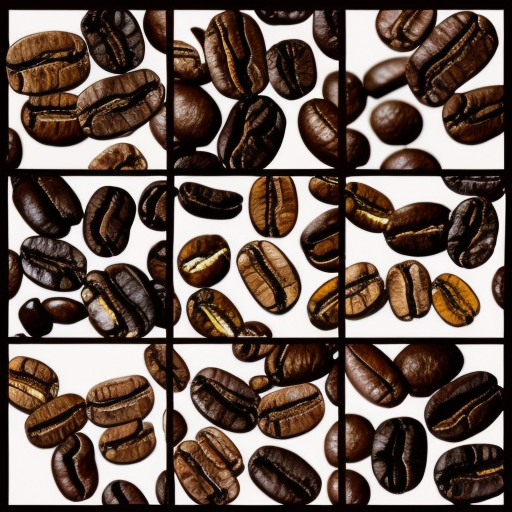
Roasting is an art form that requires years of experience to perfect. Different roasters use different techniques to bring out their desired flavors in the beans. Some prefer light roasts that emphasize the natural sweetness of the bean while others like darker roasts that bring out smokier flavors. There are even some specialty roasters who use unique techniques such as barrel- or drum-roasted coffees for an intense flavor experience. The main thing to remember when selecting a roasted coffee is that lighter roasts will be higher in acidity while darker roasts will be lower in acidity but fuller in body and flavor intensity.
The Roasting Process
Coffee beans are harvested from plants before they are taken to a roaster where they will undergo several stages of heating in order to bring out their flavor. This is done by subjecting them to temperatures that range from 400°F (204°C) for lighter roasts up to 500°F (260°C) for darker ones. Additionally, beans will also be stirred or agitated during this time so that they cook evenly.
What Makes Each Roast Unique?
Each roast has its own unique flavor profile due to the way in which heat interacts with coffee’s natural acids, oils, and other components during the roasting process. Light-roasted beans tend to have a brighter, more acidic taste while dark-roasted beans can have a smokier, more robust flavor depending on how long they were roasted for. Additionally, certain types of beans may be better suited for specific types of roasts; for example, light-roasted coffees may provide more complex flavors when paired with certain Arabica beans while darker roasts are often better suited for Robusta beans.
The Impact on Caffeine Content
It is important to note that coffee’s caffeine content is not affected by its roast level; instead, it depends on the type of bean used and how long it has been roasted for. Light-roasted coffees tend to have higher caffeine levels than dark-roasts because they are roasted at lower temperatures for shorter amounts of time. However, keep in mind that all coffees contain some amount of caffeine no matter their roast level or bean type—so if you’re looking for an extra dose of energy in your morning cup o’ joe then opt for a light roast!
Roasting coffee requires precision and skill because even slight variations in temperature can drastically change the flavor profile of the finished product. But with enough practice, anyone can become a master at creating their own unique blend or roast level for their perfect cup. Understanding how each type of bean reacts differently when roasted can make all the difference when it comes to creating unique blends with complex flavors that’ll wake up your taste buds. So if you’re looking for something new and exciting, try experimenting with different types of roasted coffees – you might just surprise yourself.