Adding Mid-Century Coffee Making Classics to your Kitchen

As a fan of the Mid-Century times in evoking the nostalgic charm of bygone eras, there’s a unique joy in curating a kitchen space for the coffee lover with a penchant for mid-century aesthetics. The era, stretching from the mid-1940s to the late 1960s, was a renaissance of interior design, where functionality and form danced together in an elegant ballet. For coffee lovers like me, this period offers a treasure trove of designs that are not just about brewing a morning cup but about celebrating the ritual of coffee making. In setting up a kitchen that breathes mid-century modernity, each coffee maker is selected not merely as an appliance but as a centerpiece that tells a story.

These pieces, from the sculptural grace of percolators to the understated elegance of the Chemex, are more than mere relics; they are functional artworks. They encapsulate the essence of mid-century design – minimal yet expressive, practical yet enchanting. The journey through selecting these mid-century coffee makers isn’t just about recapturing a style; it’s about rekindling a love affair with the art of coffee in an era that reimagined the modern kitchen.
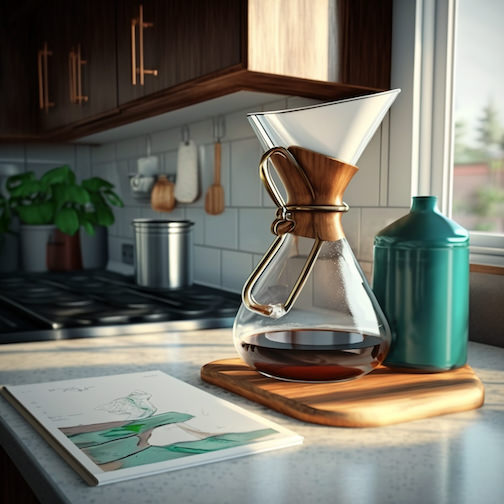
Let’s go over what to look for with Mid Century style in mind, then where it may be possible to find those items. Each of the coffee maker styles have a unique look, brewing process and flavor. Decide if you are looking for a particular flavor or aesthetic.

Percolators: These were perhaps the most iconic coffee makers of the mid-century. Made of chrome, stainless steel, or even colorful enameled metal, percolators often featured a sleek, almost sculptural design. They worked by cycling boiling water through coffee grounds using gravity until the desired strength was reached.

Chemex Coffee Maker: Invented in 1941, the Chemex has a timeless design and is still popular today. It’s known for its hourglass shape and uses a pour-over method of brewing. Made of glass and often accompanied by a wooden collar, it epitomizes the mid-century modern aesthetic.

Siphon (or Vacuum) Coffee Makers: These were more elaborate and theatrical in their brewing method. Consisting of two stacked chambers with a siphon tube, they used vapor pressure and vacuum to brew coffee. They often featured glass and chrome materials, fitting well with the mid-century modern style.

Electric Drip Coffee Makers: Introduced in the later part of the mid-century period, these were more about convenience. They had a more utilitarian design compared to percolators but started to introduce the automatic brewing process we’re familiar with today.

Moka Pots: Although more associated with European homes, Moka pots were also found in mid-century American kitchens. Made of aluminum or stainless steel, they have a distinctive octagonal shape and brew coffee using steam pressure.

Now, a few options to find what you’re looking for –

Antique Stores and Flea Markets: These are excellent places to find original mid-century coffee makers. Items here can range from well-preserved pieces to ones that need a bit of restoration. It’s also a great way to get a feel for the era’s design firsthand. Most locations are a variety of resellers, some may not know how popular an item is so they will price lower, strictly based on a markup from what they purchased the item for. It doesn’t hurt to ask the person at the front if they know of any resellers with the items you’re looking for.

Online Marketplaces: Websites like eBay, Etsy, and Craigslist often have listings for vintage coffee makers. You can find a wide range of options, from percolators to Chemex coffee makers. Be sure to check the condition and authenticity, and ask sellers for more information if needed. Never do an in person cash purchase in a private area or by yourself. 

Specialty Vintage Shops: Some shops specialize in mid-century modern furniture and appliances. These are more curated than general antique stores and might offer higher-quality finds. With that exceptional quality comes higher prices too. 

Estate Sales and Auctions: These can be goldmines for vintage items. Estate sales often happen when someone is downsizing or after a family member has passed away, and they can include a range of household items from the mid-century period. Finding these can be done through specialized sites, most not requiring a person to be a member or carry any sort of certification to go. Rain or shine, if the sale has good things listed, there will be a line as they limit the number of people in. Many people do not enjoy the experience of going through a recently passed individual’s house. Most have a professional service go through and to organize and price, these folks will generally pull things of high value out for them to sell via other channels, lucky for you and me, mid century kitchen doesn’t usually fit that area for them. 

Online Retailers and Reproductions: If you prefer new items with a vintage look, many retailers sell reproductions of mid-century designs. These can offer the aesthetic of the era with the convenience and reliability of modern manufacturing. I see these all the time on Instagram as inline sponsored ads. As mentioned below, some of those can look similar but be modernized to better fit your lifestyle.

Facebook Groups: Joining groups or forums dedicated to mid-century modern design can be helpful. Members often share tips on where to find items, and you might come across local sellers. They are always a source for great pics of other people’s collection, as well tips for caring and using your finds.

Thrift Stores: While it can be hit or miss, thrift stores sometimes have mid-century items at lower prices. Regular visits are necessary to find what you’re looking for as there is usually a group that hangs out and grabs things they can resell. Sometimes, a less known item will go undetected for you to grab.

Remember to Verify Authenticity, not everyone that sells knows the history. Take your time to Check Condition, especially if friends and family will be admiring or your going to be using it. Compare Prices with both other resources as well other models that may look the same but may have different features, like drip coffee makers. Finally, Consider Your Need, it is the process of the way things were done before or you want the look but need the modern speed due to your life.

Please note that if you purchase from clicking on the link, some will result in my getting a tiny bit of that sale to help keep this site going. If you enjoy my work, perhaps you would consider donating to my daily cup of coffee, thank you.
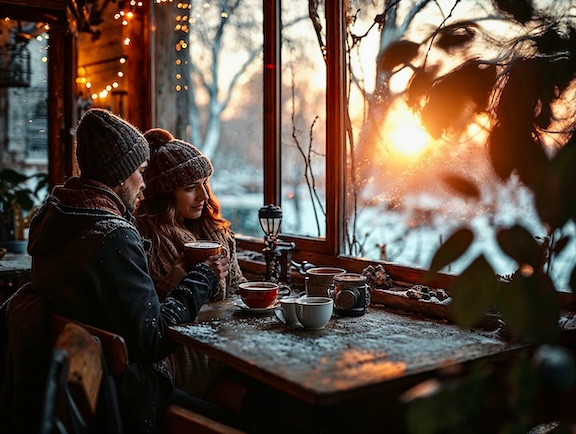
Sunset Espressos: Planning for a Romantic Winter Night

As the winter air turns crisp and the days grow shorter, the simple act of sharing a warm cup of espresso can become a cherished ritual of romance and connection. Sunset Espressos are more than a beverage; they’re a shared journey into the heart of winter’s peaceful evenings. I thought it would be fun to explore how to plan and enjoy these intimate coffee rituals, transforming the long, cold nights into cozy, memorable experiences with your significant other. Here are the steps that I hope work for you:

Plan ahead for the evening together: Begin by choosing a night for your Sunset Espresso date. Consider this time sacred, an opportunity to unwind and connect. Mark it in your calendars and look forward to this special evening all week. A surprise isn’t bad but carries with it some anxiousness if things will work out rather than it being something shared.

Ambience is key: Transform your space into a cozy, intimate setting. Dim the lights, light scented candles, and perhaps even arrange a comfortable seating area with plush cushions and a soft blanket. The right atmosphere can make all the difference in setting a romantic mood.

Take your time finding the ideal brew: Pick a coffee blend that both of you love. A medium or dark roast with rich, smooth flavors is perfect for a winter evening. If you have an espresso machine, take turns crafting the perfect shot for each other, adding a personal touch to the experience.

A touch of sweetening may be in order: Add a special twist to your espresso with a dash of cinnamon, nutmeg, or a hint of vanilla spice or syrups. These sweet and spicy additions not only enhance the flavor but also add a comforting and romantic touch to your drinks.

Slow down and be mindful of the experience: Share your espresso together in a relaxed, intimate manner. Focus on the warmth of the cup, the aroma of the coffee, and the shared experience of each sip. These quiet moments can foster a deeper connection and appreciation for one another.

Don’t forget you have options to pair with your drink: Prepare a small, delightful treat to accompany your espresso. This could be anything from homemade cookies to fine chocolates. Sharing food adds an extra layer of intimacy to your coffee ritual.

Don’t forget to talk: Whether you choose to engage in deep conversation, share stories of your day, or simply enjoy each other’s company in silence, make sure the focus is on being present with one another, away from the distractions of daily life. Perhaps express gratitude for each other and the time you are spending together. Sharing what you appreciate about one another can be a powerful way to deepen your bond

Music is a nice touch: Play a playlist of songs that are meaningful to both of you. The right music can set a romantic tone, evoke shared memories, and enhance the overall experience.

Sunset Espressos should be a celebration of love, warmth, and connection during the cold winter nights. By planning ahead and creating a romantic setting, these coffee rituals can become a cherished part of your relationship, bringing you closer and making each moment spent together truly special.

Please note that if you purchase from clicking on the link, some will result in my getting a tiny bit of that sale to help keep this site going. If you enjoy my work, perhaps you would consider donating to my daily cup of coffee, thank you.
Coffee across the generations, truth or stereotyping

Recently I heard an individual in the coffee shop line say that they didn’t think the Boomer cared like a Gen Z about quality tasting coffee. I needed to dig into the line of thinking and where it may have come from. OK, the “facts” as found across a few differently opinionated sources that I took the time to read through so you don’t have to. Of course, the usual disclaimers on things like this, you may see yourself or think the info is way off base, it is just an interesting thing to think about when having your morning coffee.

Gen Z:

  • Influential Market Presence: Gen Z’s significant spending power, especially in the U.S., makes them influential in shaping consumer trends. Their increasing numbers have started to impact the coffee market significantly, as seen in the inclusion of their preferences in the National Coffee Drinking Trends report by the National Coffee Association (NCA)​​.
  • Preference for Gourmet Coffee: Gen Z has a pronounced preference for “gourmet” coffee drinks, defined as premium, non-instant arabica or arabica blend coffee products. This generation is more than twice as likely to consume gourmet coffee compared to older age groups, indicating a shift towards higher quality coffee​​.
  • Convenience and Fast-Paced Lifestyle: The fast-paced lifestyle of Gen Z has shaped their coffee drinking habits. They favor ready-to-drink (RTD) and cold brew coffee, which align with their preference for simplicity and convenience. These choices reflect their adaptation to a world of instant gratification, where online shopping and home delivery are the norms​​.
  • Healthier Options and Perceptions: Gen Z often perceives RTD and iced coffees as healthier alternatives to carbonated soft drinks and energy drinks, while still providing a caffeine boost. This perception is in line with their overall health-conscious approach to food and beverage consumption​​.
  • Focus on Transparency and Traceability: Gen Z values transparency and traceability in the coffee supply chain. They are keen on knowing where their coffee is grown, who grew it, and ensuring the process is ethical and sustainable. This generation seeks out brands that support their values, paying more attention to how brands align with their ethical and environmental concerns​​.

These preferences and behaviors of Gen Z reflect a broader shift in the coffee sector towards quality, convenience, health consciousness, and ethical considerations. Their choices are redefining coffee consumption trends, influencing the products and services offered by coffee brands and retailers.

Millennials:

  • Increased Coffee Consumption: Millennials have shown a significant increase in daily coffee consumption, with 51% of 18 to 24-year-olds drinking coffee daily by 2014, up from 25% in 2000. The average number of cups consumed daily also increased from 2.3 to 3.3 in this period. Millennials, being the largest generational group in the United States, exert considerable influence on the coffee industry and its trends​​.
  • Technology and Social Media Influence: Technology, especially smartphone applications, plays a substantial role in how Millennials interact with coffee. They frequently use these apps to order coffee and rely on social media to review products and seek advice from friends. This behavior reflects their interconnected, tech-savvy lifestyle and influences their coffee-related decisions​​.
  • Trend Toward Cold Brew and RTD Coffee: Millennials have significantly driven the popularity of non-espresso-based beverages, like cold brew and RTD coffee. The sales of cold brew coffee saw an increase of nearly 600% from 2011 to 2016. RTD coffee also experienced remarkable growth, with more than two-thirds of 18 to 34-year-olds in the US consuming single-serve RTD coffee beverages. This preference is attributed to the convenience and speed of RTD beverage consumption, aligning with Millennials’ fast-paced lifestyles​​.
  • Preference for Specialty Coffee: Millennials are leading the third wave coffee movement, with a significant portion regularly consuming specialty coffee. They show a growing taste for gourmet varieties, including single-origin coffee, known for its unique flavors and high level of supply chain transparency. Millennials seek detailed information about their coffee, from origin to roast profile, driving coffee roasters to provide more information on packaging labels and tasting cards​​.
  • Commitment to Sustainability: Millennials demonstrate a strong commitment to sustainability in their coffee choices. A significant majority understand the concept of sustainable coffee and are willing to pay more for sustainably sourced and produced coffee. They also prefer to purchase from companies that support environmental and ethical causes. This preference has influenced coffee roasters to focus on sustainable certifications and environmentally friendly packaging materials to appeal to the Millennial market​​.

These insights reveal a multifaceted approach to coffee consumption among Millennials, emphasizing quality, convenience, technological integration, and a strong commitment to sustainability and ethical practices.

Baby Boomers:

  • Early Coffee Experiences: Iconic brands like Tim Hortons played a significant role in shaping the coffee habits of Baby Boomers. Visits to such coffee shops were more than just about coffee; they were social experiences, a place for community, friendship, and storytelling​​.
  • Coffee Shops as Social Hubs: In their younger years, Baby Boomers frequented coffee shops that served gourmet coffee. These establishments were more than just places to drink coffee; they were hubs for intellectual discussions, artistic exchanges, and political debates, fostering a strong sense of community​​.
  • Instant Coffee and Convenience: During the 1970s and 1980s, as Baby Boomers became working professionals and parents, instant coffee gained popularity for its convenience. The need for quick and easy coffee solutions was paramount in the daily hustle and bustle of their lives​​.
  • Shift to Health and Wellness: As they aged, Baby Boomers’ concern for health and wellness grew, leading to an increased focus on organic and specialty coffees. They transitioned from mass-produced coffees to more ethically sourced and environmentally friendly options, driven by a growing consciousness of sustainability and fair trade practices​​.
  • Embracing Artisanal Coffee: The emergence of specialty coffee shops marked a new era in coffee consumption for Baby Boomers. They started seeking unique flavors and handcrafted beverages, exploring diverse coffee bean origins and roasting techniques, appreciating the art of coffee-making​​.
  • Digital Transformation in Coffee Consumption: The advent of the internet and digital technology transformed their coffee-drinking habits. Online subscriptions and e-commerce platforms enabled them to discover global coffee blends from the comfort of their homes​​.
  • Coffee in Retirement: As Baby Boomers approached retirement, their coffee habits shifted. Coffee became a vital part of their morning routines and a medium for continued social interaction. Retirement provided more time to explore new coffee recipes and experiment with brewing methods, such as pour-over, French press, and espresso machines. Coffee gatherings remained a centerpiece for social interactions​​.

These trends reflect Baby Boomers’ evolving relationship with coffee, characterized by a balance of traditional preferences, health consciousness, and an openness to new experiences and technologies in their coffee consumption.

Please note that if you purchase from clicking on the link, some will result in my getting a tiny bit of that sale to help keep this site going. If you enjoy my work, perhaps you would consider donating to my daily cup of coffee, thank you.
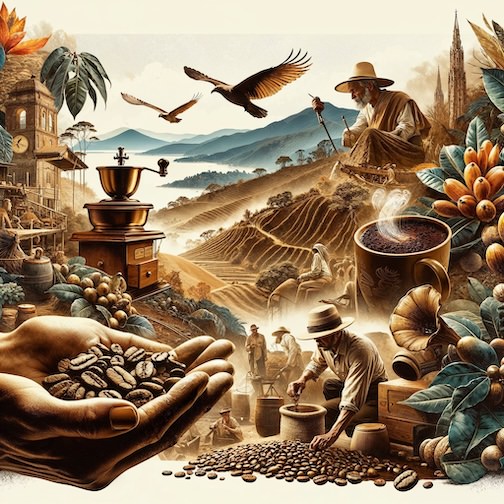
Exquisite Luxury Coffee Beans: The Art of Luxury Coffee

The world of luxury designer coffee beans is deeply rooted in the concept of sourcing and single-origin significance, where the journey of every bean tells a story of its origin. These premium beans are often sourced from exotic locations around the globe, renowned for their ideal coffee-growing conditions. 

These conditions include factors like rich volcanic soil, specific altitudes, and favorable climates, all of which contribute to the unique flavor profiles of the beans. For instance, the Blue Mountains of Jamaica, known for their mist-covered peaks, offer an environment that yields coffee beans with a distinct mild flavor and a lack of bitterness. Similarly, the highlands of Ethiopia, often regarded as the birthplace of coffee, provide beans with rich, complex flavors, reflecting the diverse ecosystem of the region. Meanwhile, the slopes of the Andes in Colombia are celebrated for producing beans with a perfect balance of acidity and sweetness, a testament to the lush, mountainous terrain.

Single-origin coffee beans elevate this concept further by focusing on a specific region or even a single farm. This level of specificity ensures that each cup of coffee reflects the distinct taste of its origin. The soil composition, climate, and cultivation methods unique to each area leave an indelible mark on the beans, offering a flavor that is not just unique but also tells a story of its journey from a particular corner of the world. This focus on single-origin beans allows connoisseurs to experience and appreciate the diverse flavors that different regions and even different farms can produce. It’s a celebration of the local environment and the careful, often traditional, farming practices that go into producing each bean. In essence, every sip offers an intimate connection to the place and people behind the coffee, creating a rich, sensory experience that extends beyond the mere taste.

In the realm of luxury coffee, the artisanal processing and roasting of beans play a pivotal role in defining their quality and flavor. The process starts with the meticulous selection of beans, often hand-picked at peak ripeness to ensure the highest quality. The chosen processing method, whether it be washed, natural, or honey, further influences the flavor profile of the beans, adding layers of complexity to the final product. This attention to detail in the processing stage sets the foundation for the unique characteristics of each bean.

Following this, the beans undergo specialized roasting, a critical step where skilled artisans apply their expertise to bring out the best in each bean. This is not a one-size-fits-all approach; instead, roasters adjust roasting time and temperature to enhance the inherent qualities of the beans. The goal is to highlight specific flavor notes, whether it’s to bring out a bright acidity, a rich body, or a delicate aroma, tailoring the roasting process to each batch of beans.

The result of this processing and roasting is a range of unique and complex flavor profiles in luxury coffee beans. These beans can exhibit an array of flavors, from bright and fruity to deep and earthy tones. The specific flavor of each bean is a reflection of its origin, variety, and the meticulous methods used in its processing. Many of these luxury beans are graded as ‘specialty’ by organizations like the Specialty Coffee Association, a testament to their exceptional quality. This specialty grading is based on a rigorous evaluation process, with beans needing to score above 80 out of 100 on various quality factors to earn this designation.

Complementing the quality of the beans is their packaging and presentation. Luxury coffee beans are often presented in sophisticated packaging, which serves a dual purpose. Not only does it preserve the quality and freshness of the beans, but it also enhances their appeal as a premium product. The branding of these coffees often tells a story, creating a connection between the consumer and the bean’s journey. This narrative encompasses the origin of the beans, the dedication of the farmers, and the unique path the beans have taken from crop to cup, adding an emotional and experiential dimension to the enjoyment of the coffee.

A few examples:

  • Jamaica Blue Mountain Coffee: Known for its mild flavor and lack of bitterness.
  • Hawaiian Kona Coffee: Grown on the slopes of Mauna Loa in Hawaii, renowned for its rich flavor.
  • Stumptown Coffee Roasters: Offers a range of high-quality single-origin coffees and unique blends.
  • La Colombe: Known for their distinct and high-quality coffee offerings.

Please note that if you purchase from clicking on the link, some will result in my getting a tiny bit of that sale to help keep this site going. If you enjoy my work, perhaps you would consider donating to my daily cup of coffee, thank you.