
I’ll Take a Second Cup Now Please – Coffee Lovers Know How

As a true coffee enthusiast, I can’t help but extol the virtues and acknowledge the potential pitfalls of that glorious second cup. For me, an extra cup of coffee isn’t just about fueling my day; it’s an experience that enhances my cognitive function, sharpening my focus, memory, and reaction times. There’s something magical about the way a second cup can boost my mood. An increased release of dopamine and serotonin often leaves me a bit snappier with my humor and less worried about the little things that don’t really matter. 

Knowing that coffee is packed with antioxidants gives me a little extra motivation (read: “excuse”) to savor that second cup. These powerful compounds help combat inflammation and protect against certain diseases.

But like any indulgence, moderation is key. I’ve learned from experience that too much caffeine can sometimes lead to heightened anxiousness, leaving me feeling jittery and restless before a meeting. Coffee, as delightful as it is, can also play tricks on a digestive system by stimulating the production of stomach acid, which occasionally leads to heartburn or acid reflux. And yes, there’s the issue of caffeine dependence—regularly enjoying multiple cups can make a person’s body crave more to achieve the same energizing effects.

Understanding my own caffeine sensitivity is crucial. Each person’s tolerance varies, and I’ve found that some friends might experience adverse effects even with smaller amounts of coffee. Timing is everything; you may want to avoid that extra cup in the late afternoon or evening to keep your sleep undisturbed.

When it comes to the timing of the second cup, spacing it out appropriately after the first cup can make a difference. Allowing some time between the first and second cups can help manage caffeine intake and prevent any potential jitters. Enjoying the second cup with breakfast or a mid-morning snack can also help mitigate any stomach discomfort by providing a buffer for the stomach acid. Sipping the second cup slowly and taking the time to savor it can enhance the overall experience and make it a more mindful indulgence.

Staying hydrated is also essential since coffee, being a diuretic, can lead to dehydration if you’re not careful. Health is another factor to consider. People with certain medical conditions, like heart problems or anxiety challenges, need to be smart and thoughtful about their caffeine intake. Personally, I always strive for high-quality coffee beans. There’s a significant difference in taste and health benefits, and for me, part of the joy of a second cup lies in savoring the rich, nuanced flavors of a well-crafted brew. Which only makes it easier to grab that second cup.

Please note that if you purchase from clicking on the link, some will result in my getting a tiny bit of that sale to help keep this site going. If you enjoy my work, perhaps you would consider donating to my daily cup of coffee, thank you.
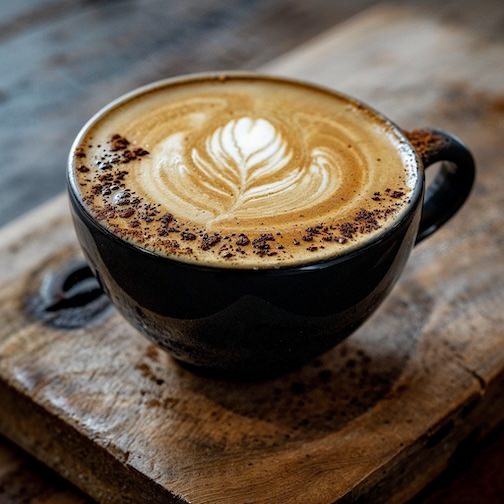
Maximize Your Coffee’s Caffeine Kick: Surprising Insights

One surprising fact about espresso is that despite its strong flavor and kick, it actually contains less caffeine per serving compared to a regular cup of coffee. While espresso is more concentrated, with about 63 milligrams of caffeine per ounce, a typical serving size of espresso is only about 1 ounce. In contrast, a standard 8-ounce cup of coffee can contain anywhere from 80 to 120 milligrams of caffeine or more, depending on factors like brewing method and coffee bean type. So, while a shot of espresso might pack a punch, it’s not necessarily the most caffeinated option out there.

If you’re aiming to get the maximum caffeine punch from an 8 oz cup of coffee, there are a few factors to consider:

Coffee Bean Selection: Opt for coffee beans with higher caffeine content. Robusta beans typically contain more caffeine than Arabica beans, so choosing a coffee blend with a higher proportion of Robusta beans could result in a higher caffeine content.

Grind Size: Use a fine grind size when grinding your coffee beans. Finer grounds increase the surface area of the coffee, allowing for more efficient caffeine extraction during brewing.

Brewing Method: Choose a brewing method that maximizes caffeine extraction. Methods like espresso, AeroPress, or Turkish coffee tend to result in higher caffeine concentration per ounce compared to drip coffee or French press due to their shorter brew times and higher pressure.

Water Temperature and Brew Time: Use hot water just off the boil (around 195-205°F or 90-96°C) and adjust the brew time accordingly. Brewing for a longer time can help extract more caffeine, but be cautious not to over-extract, which can lead to a bitter taste.

Coffee-to-Water Ratio: Use a higher coffee-to-water ratio. Increasing the amount of coffee grounds relative to water will result in a stronger brew with more caffeine per cup.

By optimizing these factors, you can brew a cup of coffee with a higher caffeine content and get the maximum caffeine punch from your 8 oz serving. However, be mindful of your caffeine intake and consume in moderation to avoid potential negative effects.

Please note that if you purchase from clicking on the link, some will result in my getting a tiny bit of that sale to help keep this site going. If you enjoy my work, perhaps you would consider donating to my daily cup of coffee, thank you.
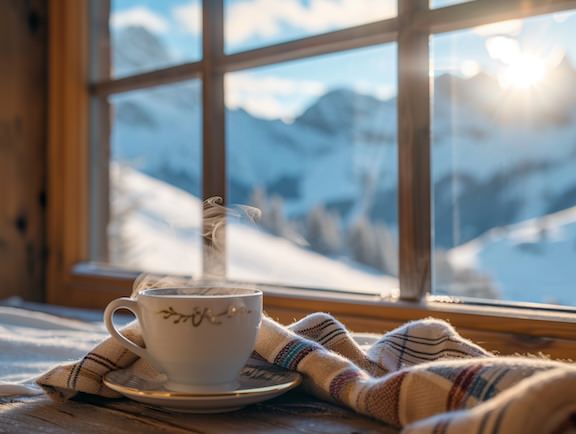
Thinking about hot coffee as the snow continues to fall

Coffee is often considered a great beverage choice on snowy days, and there are several reasons why. One of the primary reasons is its warmth. Coffee, served hot, can be incredibly soothing and comforting when the weather outside is cold and snowy. This warmth not only helps to raise your body temperature but also provides a sense of comfort and coziness, making it a delightful choice during winter.

Many people find the ritual of drinking coffee to be quite comforting. There’s something about holding a warm mug and sipping the drink that feels especially pleasant on a snowy day. This comfort is not just physical, but actually psychological as well, offering a moment of calm and relaxation in the midst of a cold day.

Another benefit of drinking coffee in snowy weather I found is the energy boost it provides. Of course, coffee contains caffeine, a well-known stimulant that can help to ward off the sluggishness often associated with cold, gray skies dreary weather. The boost in energy and alertness can be particularly helpful for those who might feel a bit slower or more lethargic during the winter months.

The social aspect of drinking coffee should not be overlooked. Sharing a cup of coffee with friends or family is a wonderful way to enjoy each other’s company. It can turn a snowy day into an opportunity for socializing. Gathering around a hot pot of coffee allows for conversations and bonding, making the snowy weather outside seem more pleasant.

While coffee has these benefits, it’s important to consume it in moderation. Excessive caffeine intake can lead to negative side effects such as increased heart rate, insomnia, and jitteriness. As with any beverage, personal preferences and individual health considerations should always guide your choice. I know I have a tendency to watch the snow fall and all of a sudden the cup is empty.

Please note that if you purchase from clicking on the link, some will result in my getting a tiny bit of that sale to help keep this site going. If you enjoy my work, perhaps you would consider donating to my daily cup of coffee, thank you.