Savor Each Sip: How Locale Elevates Your Coffee Experience

The taste of coffee itself is influenced by many factors, including the type of coffee bean, the roasting process, the grind, and the method of preparation. I find that the experience of drinking coffee, including the perceived taste, can indeed be impacted by the environment in which it’s consumed, such as downtown, in a country cafe, or by the beach. Here is how I feel these settings might affect your coffee experience:

Drinking coffee in a downtown setting immerses you in the heart of a bustling cityscape, where the energy is palpable. The visual stimulation of towering buildings, the eclectic mix of people, and the sounds of urban life create a backdrop that can make coffee drinking feel like a more dynamic activity. Cafes in such areas often reflect the urban sophistication with their modern decor, offering specialty brews that cater to a discerning palate. The experience is not just about the coffee but also about participating in the city’s rhythm. You might find yourself sipping a crafted single-origin pour-over while people-watching or discussing the latest trends with fellow coffee enthusiasts. The convenience of grabbing a high-quality espresso before a meeting or enjoying a leisurely latte on a weekend morning adds to the appeal. The fast pace might make the coffee seem like a necessary fuel, enhancing its invigorating effect.

In a country cafe provides a quieter serene escape, often embodying the charm and warmth of rural life. These cafes might be situated in quaint villages, nestled among rolling hills, or beside fields of crops and flowers, offering a picturesque setting that slows down time. The architecture and decor of country cafes often reflect local traditions and natural materials, creating a cozy, homely atmosphere. Here, the coffee might be paired with homemade pastries or local delicacies, adding a touch of authenticity to the experience. The tranquility of the countryside allows for a more contemplative coffee experience, where each sip can be savored amidst the sounds of nature and the beauty of the landscape. The coffee might taste richer and more nuanced as you’re more attuned to its flavors in the calmness of the country setting. This environment fosters a connection to the land and the community, making the coffee experience more personal and grounded.

Enjoying coffee by the beach offers a unique blend of relaxation and sensory pleasure. The vastness of the ocean, the rhythmic sound of waves crashing, and the warmth of the sun create an idyllic setting for coffee lovers. Beachside cafes often boast open, airy spaces with views of the sea, making coffee drinking a leisurely affair that complements the laid-back beach atmosphere. The salty air and the presence of water can heighten your senses, possibly making the coffee’s aroma more pronounced and its flavor more intense. There’s something inherently soothing about sipping a favorite coffee while gazing out at the sea, which can make the coffee taste even sweeter or more satisfying. Whether it’s a cold brew to cool off on a hot day or a warm cup to enjoy during a breezy evening, the beach setting adds an element of holiday-like indulgence to the coffee experience, making it feel more like a treat.

In each of these environments, the ambiance, the visual and auditory stimuli, and the pace of life around you can significantly influence your perception of taste and the enjoyment of your coffee. The setting in which you drink your coffee can transform it from a mere beverage into an integral part of an experience that engages all the senses.

Please note that if you purchase from clicking on the link, some will result in my getting a tiny bit of that sale to help keep this site going. If you enjoy my work, perhaps you would consider donating to my daily cup of coffee, thank you.
Brew & Review: A Coffee Connoisseur’s Journal of Experiences

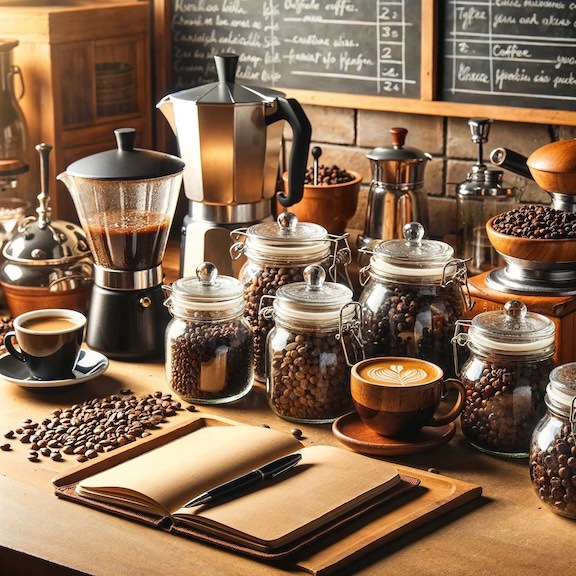
As a self identified coffee enthusiast, I look for ways to enhance the brewing experience and better understand what made a cup of coffee memorable, or not. In order to try and repeat an enjoyable experience, I have started to maintain a detailed coffee journal, though you may wish to go with a database. A systematic approach to recording various aspects of a coffee brewing allows me to capture a wide range of data for each cup you brew. By documenting factors such as the type of coffee beans, grind size, brewing method, water temperature, brewing time, and the coffee-to-water ratio, I am creating a comprehensive profile of each brewing session.

This is not just about tracking the technical details; it’s also about engaging more deeply with my coffee experience. Recording tasting notes, such as flavor, acidity, body, and aftertaste, as well as my personal rating, helps with an understand of what works best for my palate. Additionally, noting additional ingredients like milk, syrup or sugar can impact the overall experience. Even including how I felt that day, provide insights into how external factors influence the coffee enjoyment.

If you want to try to hone in on what made a cup better than another, you may want to try logging what made up that coffee. Whether you choose a physical notebook or a digital spreadsheet, this practice helps you refine your brewing techniques, discover your preferences, and consistently recreate the coffee drinks you love the most. Here is an extensive list of the possible things to record, you may want to lessen it if you need to not take too much time making a record.

Date and Time: This helps to track your coffee consumption pattern and preferences over different times of the day or year.

Coffee Bean Type: Include the name, origin, roast level, and any other specific details about the beans.

Grind Size: Note the coarseness or fineness of the coffee grind, as this can significantly impact the flavor.

Brewing Method: Record the method used (e.g., drip, French press, espresso, pour-over, etc.), as different methods extract flavors differently.

Water Temperature: The temperature of the water can affect the extraction process.

Brewing Time: How long the coffee was brewed or steeped.

Coffee-to-Water Ratio: The amount of coffee used in relation to the amount of water.

Tasting Notes: Describe the flavor, acidity, body, and aftertaste. You can be as detailed as you like here.

Personal Rating: Rate each brew based on your personal preference.

Additional Ingredients: If you add milk, sugar, syrups, or any other additives, note their types and quantities.

Overall Experience: Include any notes about the brewing process or how you felt that day, as mood can also affect taste perception.

To record these details, make it easy on yourself so you do it regularly. You can either use a physical notebook dedicated to your coffee journey, or create a digital spreadsheet or database, there are also apps for your phone to creating a database or spreadsheet. Digital tools have the advantage of being searchable and sortable, which can be helpful when you want to find patterns or repeat a particularly enjoyable brew.

Remember, the goal is to enjoy the process as much as the coffee itself, so feel free to adjust the level of detail to what feels most enjoyable and useful for you.

Please note that if you purchase from clicking on the link, some will result in my getting a tiny bit of that sale to help keep this site going. If you enjoy my work, perhaps you would consider donating to my daily cup of coffee, thank you.

Brewing Magic: Dance with Beans for the Perfect Cup

Calling all coffee enthusiasts! Imagine treating your coffee beans like treasured dance partners in a grand ballroom of flavors. The steps you take in grinding and storing these little gems can set the stage for a brewing masterpiece or a dance floor mishap. So, put on your dancing shoes, and let’s waltz through some essential tips to make your cup of joe sing and twirl with delight. Ready to glide through the world of coffee magic?

Grinding:

Burr Grinder Over Blade Grinder: A burr grinder provides a more consistent grind size compared to a blade grinder. This consistency is crucial for extracting the flavors optimally from the coffee beans.

Grind Size: Adjust the grind size according to your brewing method. Many grinders have adjustments to get the grind you need for the brewing method of your choice:

  • Coarse: French press, percolator, and cold brew.
  • Medium: Drip machines and pour-overs.
  • Fine: Espresso machines.
  • Extra Fine: Turkish coffee.

Grind Right Before Brewing: Coffee starts losing its freshness once it’s ground. Ideally, you should grind just before you brew to ensure you’re getting the freshest flavor.

Storing:

Airtight Container: Store beans in an airtight container to protect them from oxygen, moisture, and light—all of which can degrade the quality of the beans.

Cool, Dark Place: Avoid storing beans in the fridge or freezer unless you’re storing them for an extended period. The fluctuating temperatures can cause moisture to form, which can harm the flavor. Instead, choose a cool, dark cabinet.

Buy Whole Beans: Purchase whole beans and grind them as needed. Pre-ground coffee loses its freshness much faster.

Consume Within a Month: While coffee beans don’t exactly “expire,” they are best consumed within a month of their roast date for optimal flavor.

Time from Grind to Brew:

Immediate Brewing: Ideally, you should brew your coffee immediately after grinding. The first 15-30 minutes after grinding is when coffee is at its peak freshness.

A Couple More Tips:

Water Quality: Use clean, filtered water. The quality of the water will affect the taste of your coffee.

Water Temperature: The optimal brewing temperature is between 195°F (90°C) and 205°F (96°C). Too hot or too cold water can lead to over-extraction or under-extraction, respectively.

Proper Ratios: Generally, a standard ratio is 2 tablespoons of coffee for every 6 ounces of water, but this can vary based on personal preference and the brewing method.

Freshness: When buying coffee, check the roast date. It’s better to purchase from roasters or stores that display this information.

Experiment: Tastes are subjective. Feel free to experiment with grind sizes, brewing times, and methods until you find what tastes best to you.

Cleaning: Regularly clean your coffee grinder and brewing equipment to avoid the buildup of old coffee grounds and oils which can affect the taste of your coffee.

By keeping these tips in mind, you can ensure that you’re getting the best possible flavor from your coffee beans.

Please note that if you purchase from clicking on the link, some will result in my getting a tiny bit of that sale to help keep this site going.

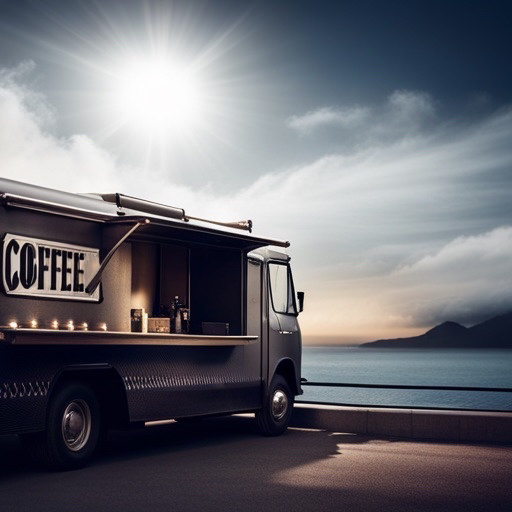
Latte on the Move: Kickstart Your Mobile Coffee Venture

Starting a mobile coffee truck business can be both a rewarding and demanding venture. It’s a unique path in the food and beverage industry that marries the craft of coffee brewing with the dynamism of a food truck business model. Rewarding, because it allows you to interact directly with your customers, serve up great coffee, and enjoy the freedom that comes with a mobile enterprise. However, like any business, it is not without its challenges.

In the span of running this business, there will be numerous hurdles that have tested both a person’s resilience and adaptability. From logistical issues like securing the right permits and finding suitable locations, to operational challenges such as maintaining consistency in the quality of coffee served, ensuring truck maintenance, and managing inventory, each day brought with it new learnings.

Navigating through financial planning, marketing, and customer relationship management, while keeping an eye on the bottom line, has required a mix of business acumen, creativity, and a deep understanding of the product – coffee.

Yet, every challenge faced was also an opportunity for growth, and every setback, a chance to innovate. Whether you are looking to start your own coffee truck business or you’re simply intrigued by what the journey entails, here are some valuable insights:

Start with a Solid Business Plan: Before diving into any business venture, it’s important to have a comprehensive business plan. This should include everything from budgeting and cost analysis to potential locations, target demographics, and marketing strategies. A well-developed plan will guide you through the initial setup and help you navigate challenges down the road.

Know Your Coffee: As the business owner, you should be knowledgeable about what you are selling. Understand the different types of coffee beans, brewing methods, and current trends in the coffee industry. This knowledge will help you to develop a competitive product and provide a high level of service to your customers.

Location, Location, Location: Your business is mobile, which means you have the unique opportunity to move to where your customers are. Scout out popular areas in your city during different times of the day and week. Consider pairing up with local events, festivals, or markets that will draw a crowd.

Get Necessary Permits: Every city has different laws regarding food and beverage vending. Ensure you have the correct licenses and permits to operate in your desired locations. This can be time-consuming and sometimes costly, so make sure to factor this into your business plan.

Invest in a Quality Vehicle and Equipment: A reliable coffee truck is the backbone of your business. The same goes for your coffee-making equipment. While it might be tempting to save money in this area, frequent breakdowns can harm your reputation and cost you customers.

Marketing and Branding: Make your coffee truck unique and memorable. This could be anything from a catchy name and logo to a distinctive color scheme or design for your truck. Utilize social media and local advertising to get the word out about your business.

Offer Consistent Quality: The best marketing strategy is a satisfied customer. Make sure every cup of coffee you sell is of high quality. It’s better to have a small menu of fantastic drinks than a wide variety of mediocre ones.

Prepare for the Unexpected: Whether it’s a global pandemic, a truck breakdown, or inclement weather, unexpected events can drastically impact your business. Plan for these contingencies in your business plan, and always have a backup plan.

Create a Solid Financial Plan: It’s important to keep track of your income, expenses, and any potential debts. Plan your budget carefully, and make sure to include funds for unforeseen emergencies.

Never Stop Learning: The coffee industry is always evolving. New brewing methods, flavors, and products are constantly emerging. Keep an eye on industry trends and be willing to adapt your business as necessary.

Success doesn’t happen overnight. Running a coffee truck business requires hard work, patience, and resilience. But with careful planning and a passion for coffee, it can be a profitable and enjoyable endeavor.

Please note that if you purchase from clicking on the link, some will result in my getting a tiny bit of that sale to help keep this site going.

Plant Power in Your Coffee: Milk Alternatives to Buy or Make

These are non-dairy beverages made from a variety of plant foods including nuts, seeds, legumes, and cereals. Some of the most popular plant-based milks include almond milk, soy milk, rice milk, oat milk, and coconut milk. These alternatives have grown in popularity for a variety of reasons, including dietary restrictions, allergies, lactose intolerance, veganism, and environmental sustainability concerns.

These milk alternatives can be purchased pre-made at most grocery stores, and many coffee shops now offer them as an option for their beverages. They are also used in cooking and baking as a substitute for dairy milk.

Making plant-based milk at home is also possible and quite straightforward for many types. For example, to make almond milk, you would soak almonds in water overnight, then blend the mixture and strain it to remove the solids. Homemade plant-based milk allows you to control the ingredients and avoid preservatives and additives often found in store-bought versions.

As for popularity, plant-based milk alternatives have seen significant growth in recent years. For instance, in the United States, sales of oat milk alone surged by over 300% in 2020, making it the second most popular plant-based milk after almond milk. Consumers are increasingly choosing these alternatives for their health benefits, environmental footprint, and dietary needs.

When it comes to storage, plant-based milks do have some differences from traditional cow’s milk. Many store-bought plant-based milks are shelf-stable until opened, meaning they can be stored at room temperature unopened but should be refrigerated after opening. However, they generally have a longer refrigerator shelf life than dairy milk. Homemade plant-based milks typically last about 3-5 days in the fridge and should be shaken before use as separation can occur.

It’s important to always check the best before date on store-bought plant-based milk and to smell and taste it before use if it’s been in your fridge for a while. Discard it if it smells or tastes off. As with any food product, the key to safe consumption is proper storage and attention to freshness.

Please note that if you purchase from clicking on the link, some will result in my getting a tiny bit of that sale to help keep this site going.