
If you’ve been scrolling through coffee forums or social media lately, you might have noticed something surprising: people are deliberately removing crema from their espresso. Even more intriguing, enthusiasts are designing and 3D-printing specialized tools specifically for this purpose. What’s driving this trend, and should you consider joining the crema-removal camp?
What’s Happening?
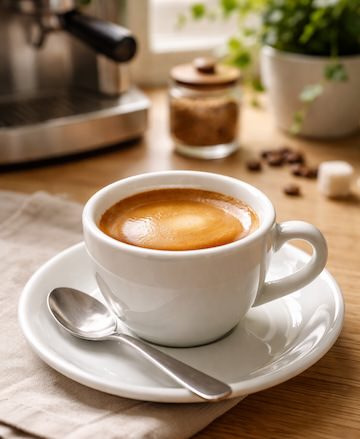
A growing movement within the specialty coffee community is questioning the traditional reverence for crema, that caramel-colored foam that crowns a freshly pulled espresso shot. Rather than admiring it as a sign of quality, these coffee lovers are actively skimming it off before drinking, and they’re getting creative about how they do it.
The techniques range from simple to sophisticated:
Manual methods include using spoons to skim the surface, gently blowing the crema to one side of the cup, or pouring the espresso through a small strainer. Some baristas have revived the old practice of giving the cup a quick swirl and discarding the foam that collects at the center.
Engineered solutions are where things get interesting. Home tinkerers and espresso obsessives are designing 3D-printed tools specifically for crema removal. Everything from specialized skimming spoons with precise angles to mesh filters that sit atop the cup during extraction. Some designs resemble tiny rakes or combs meant to lift away just the foam layer without disturbing the liquid beneath. Others function more like fine-mesh domes that allow the espresso to flow through while trapping the bubbles.
Why Remove Crema?
This might seem counterintuitive given how much emphasis traditional espresso culture places on crema as a quality indicator, but the reasoning is rooted in taste.
The bitter truth: Crema is composed largely of CO2 bubbles coated in coffee oils and fine particles. While visually appealing, it’s often the most bitter component of an espresso shot. Many coffee professionals argue that crema can mask the nuanced flavors of high-quality, freshly roasted beans, particularly the delicate fruit notes and acidity that specialty coffee drinkers prize.
Beyond taste, some drinkers find the foam texture unpleasant (not a problem for me), describing it as “soapy” or “gritty.” Removing it leaves a smoother, more liquid-forward drinking experience.
I try to stay with fresh, light-roasted specialty coffees, the crema can be especially pronounced and bitter. Removing it allows the sweeter, more complex flavors of the actual coffee to shine through without interference.
Why This May Matter to You
Whether you’re a home barista or a café regular, understanding this trend can enhance your coffee experience in several ways.
You might want to experiment a bit, you could be surprised by how different your favorite espresso tastes without its foamy cap. Try it both ways and see which you prefer, there’s no wrong answer, only personal preference.
While it is a default expectation of mine, the presence of thick, persistent crema isn’t necessarily a sign of a superior shot. Factors like roast date, bean variety, and extraction parameters all play larger roles in determining quality. Freeing yourself from the “crema = good” equation allows you to evaluate coffee based on flavor rather than appearance.
Please note that if you purchase from clicking on the link, some will result in my getting a tiny bit of that sale to help keep this site going. If you enjoy my work, perhaps you would consider donating to my daily cup of coffee, thank you.
