
Tips for Enjoying Perfect Coffee on Your Outdoor Walks

I like to walk quickly, both for a touch of fresh air and to get my heart up. Being a film photographer, I do still enjoy slowing down at time too to take the time to capture photos along the way. After a couple attempts to take coffee along on the photowalks, I have found I need to do a touch of research to understand how to keep my coffee experience enjoyable. There is little joy in warmish bitter dark water. I hope you find this helpful.

There are a few specific considerations to maintain the best taste and temperature. Brew the coffee slightly stronger than usual; a 1:14 or 1:13 coffee-to-water ratio instead of the standard 1:15 can help balance the strength, especially if you plan to add milk or cream later. Adjust the brew time based on your method: for a drip coffee maker, stick to the standard settings; for a French press, brew for 4-5 minutes; and for a pour-over, maintain a steady, consistent pour to ensure even extraction, typically 3-4 minutes. Use water just off the boil, around 200°F (93°C), as this temperature extracts optimal flavors without burning the coffee. Some of these may be your normal process, but I thought it was good to point it out if they will be a change.

Preheating your travel mug with hot water for a few minutes before adding coffee helps maintain the coffee’s temperature longer. This will also lessen the shock to the hot coffee going into a cool surface. Fill the travel mug with coffee that’s slightly hotter than your drinking preference since the initial heat loss when transferring to the mug will bring it to a more ideal temperature. Use a high-quality insulated travel mug designed to keep beverages hot for extended periods, ideally those that advertise keeping drinks hot for 6 hours or more. Avoid brewing the coffee too hot to prevent a bitter taste; keep it within the optimal range of 195-205°F (90-96°C) during brewing.

If possible, drink your coffee within 1-2 hours of brewing to enjoy the best flavor, as coffee will still become stale and lose its freshness over time. If you add milk, cream, or sweeteners, consider adding them right before you start your walk to ensure they don’t alter the coffee’s flavor over time. Finally, keeping the lid securely on your travel mug will help maintain the temperature and prevent spills. Walking slowly with the lid off of your drink mug will cause a much faster drop in your drink temperature.

Please note that if you purchase from clicking on the link, some will result in my getting a tiny bit of that sale to help keep this site going. If you enjoy my work, perhaps you would consider donating to my daily cup of coffee, thank you.
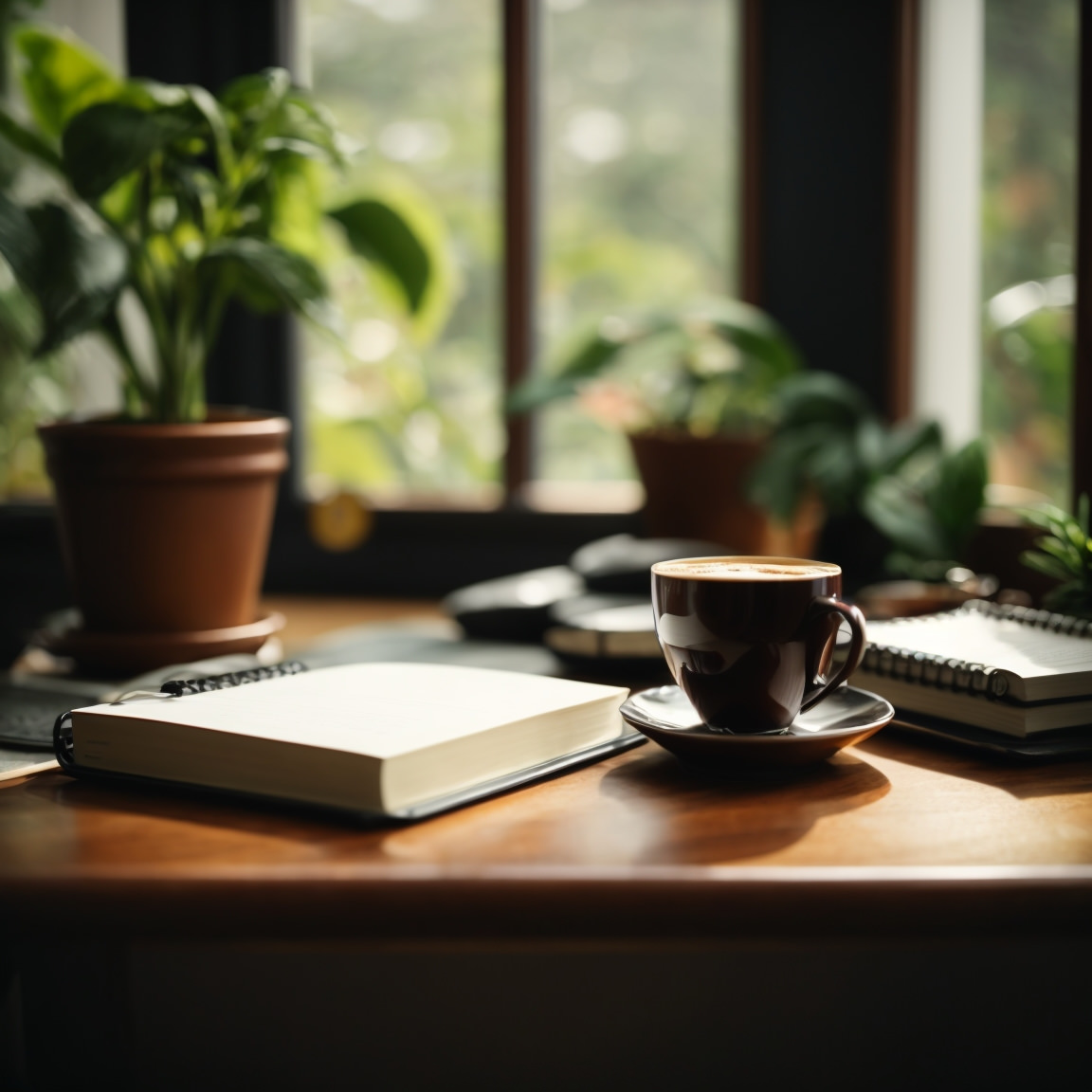
Warming Up to the Idea: The Pros & Cons of Reheating Coffee

“I got busy” so my hot coffee on my desk cooled. Reheating coffee largely hinges on personal preference, but there are several factors concerning flavor, health, and convenience that are worth considering.

On the positive side, reheating coffee is a convenient choice, especially when pressed for time. It’s a quick solution to enjoy a warm cup without the wait of brewing a fresh pot, especially if working and time is short between meetings. Moreover, reheating coffee can contribute to reducing waste. Instead of discarding cold coffee, giving it a quick reheat can be a more sustainable choice. This is also a cost-efficient option as it’s more economical to reheat coffee than to brew a new batch.

Or course, there are downsides to this practice. One drawback is the negative impact on flavor. Coffee is known for its vibrant and robust flavor when fresh, but its flavor compounds begin to break down over time. Reheating coffee can expedite this degradation, leading to a bitter or stale taste. The acidity of coffee can also change as it cools and reheats, which might not appeal to some palates.

Healthwise, while not a significant issue, reheating coffee can result in a slight loss of antioxidants which are beneficial for health. Not a reason to drink coffee, but that is a feature of coffee lost. As meetings go long, if coffee has been left out for an extended period, it is worth mentioning that repeatedly reheating it might lead to the growth of certain bacteria which could be harmful.

There’s also a concern about possible chemical leaching if you’re reheating coffee in a plastic container instead of a ceramic mug. Especially if the plastic is not marked as microwave-safe, chemicals from the plastic could leach into the coffee during the reheating process.

As for the methods to reheat coffee, there are a few options. Using a microwave is a common method. Simply pour the coffee into a microwave-safe mug and heat it in 30-second intervals, stirring in between until it reaches your desired temperature. Alternatively, you can use the stovetop by pouring the coffee into a pot and heating it over medium-low heat, stirring occasionally, until it’s hot. It’s crucial not to bring it to a boil as that will degrade the flavor further. If you have an electric kettle with temperature control, that’s another viable option. This method is less likely to result in overheated or burnt coffee compared to the microwave or stovetop but can take more time than you have and is getting close to the time it takes to make a new pot.

Reheating coffee is a practical solution to save on time and reduce waste, the key is to do so gently to minimize flavor loss. Some coffee connoisseurs might advise against reheating coffee to preserve its flavor. They might suggest brewing a fresh pot or exploring other coffee warming options like thermal coffee carafes or a smart warm mug like an Ember as better alternatives.

Please note that if you purchase from clicking on the link, some will result in my getting a tiny bit of that sale to help keep this site going.