Spice Up Your Cup: Exploring Mexican Coffee Traditions

When we talk about Mexican coffee, we might be referring to two distinct concepts. The first one is simply the coffee beans that are grown in Mexico. Mexico has a significant coffee industry, and it is one of the largest coffee producers in the world. The coffee-growing regions are mainly located in the South of the country, in places like Chiapas, Veracruz, and Puebla. Each region’s specific microclimate contributes to the unique flavors and characteristics of the coffee produced there. Generally, Mexican coffee beans are known for their light to medium body with mild acidity, often featuring a smooth, well-balanced taste with nutty, chocolatey, or fruity notes.

The second concept of Mexican coffee refers to a specific way of preparing coffee known as “Café de Olla”. This is a traditional beverage that has been part of Mexican culture for centuries, originating during the Mexican Revolution. It is unique not just because of its ingredients but also due to the traditional method of preparation. The coffee is brewed in an earthen clay pot, which is believed to impart a distinctive flavor to the brew. The coffee is typically prepared with cinnamon and piloncillo (unrefined cane sugar), and sometimes other spices or ingredients like orange peel or anise are added. This method produces a warm, comforting brew that is much more than just coffee — it’s a rich, sweet, and spicy drink that is deeply intertwined with Mexican heritage.
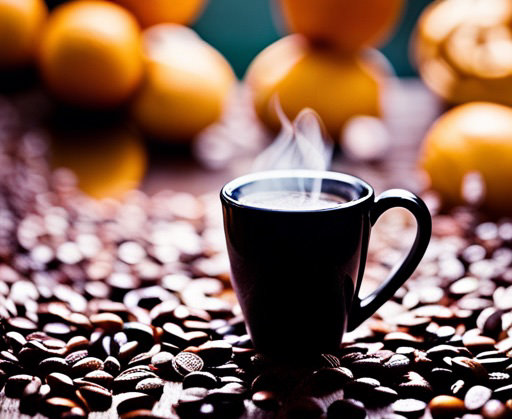
Flavor Profile: Mexican coffee beans, particularly those from regions like Chiapas or Veracruz, are generally known for their light to medium body with mild acidity, often featuring nutty, chocolatey, or fruity notes. They’re typically well-balanced and smooth.

Café de Olla: This is a traditional Mexican method of preparing coffee. It’s unique because of its preparation in a clay pot, which is said to add a unique flavor to the coffee, and the addition of spices like cinnamon and piloncillo (unrefined cane sugar), which give the coffee a sweet and spicy kick.

Here’s a basic recipe for Café de Olla that you can try at home:

Ingredients:

  • 4 cups of water
  • 3-4 tablespoons of ground coffee (preferably Mexican)
  • 1-2 cinnamon sticks
  • 3-4 ounces of piloncillo or 1/2 cup of dark brown sugar as a substitute
  • Optional: a few cloves, star anise, or orange peel

Instructions:

  1. Add water, cinnamon sticks, and piloncillo (or brown sugar) to a pot. Bring to a boil and then simmer until the sugar has dissolved completely.
  2. Add your ground coffee to the pot and stir.
  3. Remove the pot from heat and let the coffee steep for about 5 minutes.
  4. Pour the coffee through a strainer or a coffee filter to separate the grounds and the cinnamon sticks.
  5. Serve the coffee hot and enjoy!

Remember, the specific ratio of coffee, sugar, and spices can be adjusted to your personal preference. Enjoy experimenting with this unique coffee preparation!

Please note that even though the recipe suggests using a regular pot, traditionally Café de Olla is made in a clay pot, as it is believed to give the coffee a special flavor. If you have access to a clay pot and are interested in making it the traditional way, you certainly can. However, even without the clay pot, you’ll still get a deliciously unique cup of coffee.

Unraveling the Uniqueness of Brazilian Coffee Culture

As the world’s leading producer of coffee, Brazil has a vibrant coffee culture and industry that are deeply rooted in its history and economy. The unique characteristics of Brazilian coffee are a result of several factors that are intrinsic to its production and processing.

Firstly, the sheer variety of coffee beans grown in Brazil is astounding. The country cultivates an array of bean types including Arabica and Robusta. However, the diversity doesn’t stop at the broader level. Even within the Arabica species, Brazil produces several unique sub-varieties such as the Bourbon, Typica, Caturra, and Mundo Novo. Each of these beans has a distinctive flavor profile that contributes to the multifaceted nature of Brazilian coffee.

Secondly, Brazil’s climate and geography play a pivotal role in its coffee production. Its vast landmass provides an array of altitudes and conditions ideal for coffee cultivation. From the more temperate southern regions to the tropical northern areas, coffee is grown across a broad spectrum of altitudes and climates. This variety in altitude creates a fascinating range of flavor profiles in the coffee. Beans grown at higher altitudes tend to possess a floral, acidic profile, while those cultivated at lower altitudes often produce a fuller-bodied, nuttier taste. This complex interplay between altitude and flavor is one of the distinctive features of Brazilian coffee.

Thirdly, the processing methods employed in Brazil further contribute to the uniqueness of its coffee. The country is renowned for its natural or dry processing method, which involves sun-drying the entire coffee cherry. This technique, while having the risk of fermentation or mold if not carried out correctly, often results in a coffee with a robust body and sweeter taste. Additionally, Brazil also practices pulped natural and washed processing methods, each imparting different characteristics to the beans.

Finally, sustainability and innovation in farming practices have become hallmarks of Brazil’s coffee industry. Many Brazilian coffee farms are adopting eco-friendly practices and innovative technology to enhance their crop yield and quality. Whether it’s the use of environmentally friendly equipment or soil and water conservation strategies, Brazil’s commitment to sustainable coffee production is a significant factor in the specialness of its coffee.

The convergence of these factors – the variety of beans, ideal growing conditions, unique processing methods, and a commitment to sustainability and innovation – makes Brazilian coffee truly special. Each cup captures the essence of the country’s rich coffee culture and the dedication of the countless farmers who work tirelessly to produce this beloved beverage.

Please note that if you purchase from clicking on the link, some will result in my getting a tiny bit of that sale to help keep this site going.

Bean Blending to Maximize You Preferred Coffee Flavor

When we’re talking about coffee, there are countless factors that can influence the taste of the final product. The type of coffee bean, the region it’s grown in, the process of picking and drying the beans, the roasting process, and finally, the brewing method can all greatly alter the flavor of the coffee.

Let’s start with the types of coffee beans. There are several species of coffee, but the two most common in the commercial coffee industry are Coffea arabica (Arabica) and Coffea canephora (Robusta). Arabica beans tend to have a sweeter, more delicate flavor and lower caffeine content, while Robusta beans have a stronger, more bitter taste with higher caffeine content.

Arabica beans are generally considered to be of higher quality, and they account for about 60-70% of global coffee production. However, they’re also more delicate and require specific growing conditions to thrive. Robusta, on the other hand, is a more resilient plant that can grow at lower altitudes and in varying climate conditions.

Geographic origin is another significant factor. Coffee beans are grown in over 70 countries around the world, primarily in equatorial regions, and the environment in which they’re grown has a significant impact on the flavor profile of the beans. This is due to the influence of factors such as soil type, altitude, rainfall, and temperature, which together create what’s known as the “terroir.”

For example, Ethiopian coffee beans often have a wine-like quality and bright, fruity acidity because of the country’s high elevation and unique heirloom varietals. Beans from Colombia are typically balanced in flavor with a hint of nuttiness, and those from Sumatra in Indonesia are known for their earthy, deep, complex flavors.

When it comes to blending, coffee roasters will mix different types of beans to achieve a specific flavor profile. This often involves combining beans from different regions or of different types. The goal of blending is to create a balanced flavor, combining the strengths of one type of bean with those of another to create a harmonious taste.

For instance, a roaster might blend a coffee with bright acidity and fruity notes from Ethiopia with a full-bodied, chocolatey coffee from Brazil to create a complex blend with a variety of flavors that complement each other. Another reason to blend is to maintain consistency; since coffee crops can vary from year to year, blending allows roasters to ensure a consistent taste profile despite these variations.

However, while blends are popular for their balanced and harmonious flavors, there’s also a significant market for single-origin coffees. These are coffees that come from one specific region, or even a single farm or lot within that region. Single-origin coffees are appreciated for their unique, distinct flavors that reflect their specific terroir. They allow coffee enthusiasts to experience the individual characteristics that a particular area can impart to its coffee.

In the end, whether you prefer a blend or a single-origin coffee will likely come down to your personal taste preferences. Some people enjoy the complex, balanced flavors of a well-crafted blend, while others prefer the unique, distinct flavors of a single-origin coffee. There’s a wide world of coffee to explore out there, so don’t hesitate to try different types and find what you enjoy the most.

Please note that if you purchase from clicking on the link, some will result in my getting a tiny bit of that sale to help keep this site going.

Multiple Strategies & Tricks to Reduce Coffee Bitterness

Certainly, the complexity of coffee’s flavor profile can be both its allure and its downfall. On the one hand, the potential richness and depth of flavors that coffee can possess is what makes it such a treasured and globally celebrated beverage. However, one of the common issues coffee lovers face is that of excessive bitterness. Coffee bitterness can range from a subtle, dark chocolate-like flavor that adds complexity and depth, to a harsh, overpowering tang that makes the drink unpalatable. This bitterness is influenced by a host of factors, including the type and quality of coffee beans used, the roasting process, the method of brewing, and even the water used.

Understanding these variables is crucial, as each can drastically alter the final outcome of your cup of coffee. Beans, for instance, come in varieties like Arabica and Robusta, with Arabica generally known to be less bitter. Similarly, the darkness of the roast can affect bitterness, with darker roasts tending to be more bitter as they have been exposed to heat for a longer period. The size of your coffee grind and your brewing time are other important considerations, as they can lead to over-extraction – one of the primary causes of a bitter cup. The quality and temperature of your water can also greatly impact the final taste of your coffee. Finally, regular cleaning of your coffee equipment can ensure that residues from previous brews do not taint the taste of your coffee.

If you’re finding your coffee too bitter for your liking, fear not. There are multiple strategies and tricks you can implement to achieve a smoother, less bitter cup. Let’s explore some of these methods.

Choose the Right Beans: Certain types of coffee beans are less bitter than others. For instance, Arabica beans are generally less bitter than Robusta. Lighter roasts tend to be less bitter than darker ones as well, as they preserve more of the original flavor of the beans.

Grind Size: The grind size plays a major role in determining the flavor of your coffee. Generally, a finer grind can lead to over-extraction, which may increase bitterness. To reduce this, consider using a coarser grind. Just be sure to adjust your brewing time accordingly, as a coarser grind typically requires a longer brew time.

Brewing Time: Over-extraction can lead to increased bitterness. Be sure to follow recommended brewing times for your specific brewing method. For instance, French press coffee should be brewed for approximately 4 minutes, while espresso takes just 25-30 seconds.

Water Quality: Water plays a crucial role in the coffee brewing process, making up about 98% of your cup of coffee. The minerals present in water can interact with the coffee compounds, enhancing or marring its taste. Tap water can contain a variety of minerals and chlorine, which may interact negatively with your coffee, leading to a bitter taste. On the other hand, filtered or bottled water is usually purer, containing fewer impurities that can interfere with the taste. Some coffee connoisseurs even advocate for using third wave water (a type of water specifically designed for brewing coffee) to get the perfect cup. But, in general, using filtered or bottled water can lead to a smoother, less bitter cup of coffee.

Water Temperature: The temperature of the water you use for brewing your coffee is incredibly important in dictating the taste of your brew. When water is in the optimal temperature range of 195 to 205 degrees Fahrenheit (90-96 degrees Celsius), it extracts the perfect balance of flavors from the coffee grounds. If the water is too cool, it can lead to under-extraction, resulting in a weak, flat coffee. Conversely, if the water is too hot, it can over-extract the coffee compounds, leading to a bitter and overly strong coffee. A reliable kitchen thermometer can help ensure your water is in the right temperature range.

Clean Your Equipment: Just like any other kitchen equipment, your coffee maker needs regular cleaning. Over time, old coffee residues, oils, and mineral deposits from water can build up in your coffee maker and accessories. These residues can impart a bitter, rancid flavor to your fresh brew, distorting its natural taste. Regular cleaning, ideally after each use, can help maintain a pure coffee flavor. Most coffee makers can be cleaned with a mixture of vinegar and water, but make sure to check the manufacturer’s instructions. Don’t forget to clean other coffee accessories such as grinders and filters as well.

Add a Pinch of Salt: Adding a pinch of salt to your coffee might seem counterintuitive, but it’s a trick used by many to combat bitterness. The science behind this lies in the ability of sodium ions to suppress bitterness. When added in small quantities, salt doesn’t make your coffee taste salty; rather, it helps in reducing the perception of bitterness, leading to a smoother, well-rounded cup. But remember, less is more when it comes to adding salt. Too much and you risk turning your delicious coffee into a saline solution. A pinch added to the grounds before brewing is usually enough to make a difference.

Remember, the key to a great cup of coffee lies in experimenting with these variables until you find what works best for you.

Please note that if you purchase from clicking on the link, some will result in my getting a tiny bit of that sale to help keep this site going.

Evaluating Coffees: A Coffee Connoisseur’s Journey

The art of coffee appreciation is a sensory experience that goes beyond simply sipping on your favorite brew. It involves recognizing the subtleties and nuances that make each cup unique, understanding the complex layers of flavors and aromas, and delving into the story of the beans and the people who produce them. As a coffee connoisseur, you possess a refined palate and a passion for discovering new tastes and experiences in the world of specialty coffee. This guide will provide you with the knowledge and techniques to elevate your coffee tasting skills, allowing you to indulge in the true essence of specialty coffees.

Understand the Coffee Bean: The journey of becoming a coffee connoisseur starts with a deep understanding of the coffee bean. It is essential to learn about the various species of coffee plants, the regions where they are grown, and the factors that influence the flavor profiles of the beans. From the elevation and climate of the coffee farms to the harvesting and processing methods, each aspect plays a crucial role in shaping the taste and quality of the final product. By grasping the origin and characteristics of the beans, you can better appreciate the unique flavors that are specific to each coffee-growing region.

The Importance of Freshness: When it comes to specialty coffee, freshness is paramount. Coffee connoisseurs understand that the quality and flavor of coffee deteriorate over time, especially once the beans are roasted. Freshly roasted coffee beans have a shelf life of around 2 to 4 weeks, after which their aroma and taste begin to fade. To ensure that you are tasting coffee at its prime, source freshly roasted beans from a local roaster, or invest in a home roasting setup to roast green beans on your own.

Mastering the Art of Coffee Brewing: A coffee connoisseur is well-versed in various brewing techniques and understands how to extract the best flavors from the beans. From espresso and pour-over to French press and AeroPress, each brewing method has its own merits and can yield unique flavor profiles. Familiarize yourself with the equipment, grind size, water temperature, and brewing ratios associated with each method. Experiment with different variables to find the optimal settings that accentuate the nuances of the beans and yield a harmonious balance of flavors in your cup.

Developing Your Palate: Cultivating a refined palate is the cornerstone of coffee connoisseurship. This involves training your senses to recognize and differentiate the various flavors, aromas, and textures present in specialty coffee. Begin by tasting coffees from different origins and processing methods, noting their distinct characteristics. Engage in regular cupping sessions, which are structured coffee tastings, to hone your sensory skills. Over time, you will be able to discern subtle flavor notes, such as fruity, floral, or nutty tones, as well as detect any defects or off-flavors in the coffee.

Exploring Coffee Pairings: As a coffee connoisseur, you can elevate your tasting experience by exploring coffee pairings. Similar to wine or cheese, certain foods can complement or contrast the flavors in coffee, bringing out new dimensions in your cup. Experiment with pairing specialty coffees with various types of chocolates, cheeses, fruits, or pastries, and discover how the flavors interact and enhance each other.

Embarking on the journey of becoming a coffee connoisseur is an enriching and rewarding experience. It requires dedication, curiosity, and an unquenchable thirst for knowledge. By immersing yourself in the world of specialty coffee and refining your sensory skills, you will uncover the hidden depths of flavors and aromas that lie within each bean.

With this ultimate guide, you are well-equipped to embark on your coffee connoisseur journey, savoring the diverse tapestry of tastes and textures that the world of specialty coffee has to offer. As you continue to explore and learn, remember to share your newfound knowledge and passion with others, fostering a community of like-minded coffee enthusiasts. After all, the true essence of coffee appreciation lies in the connections it fosters, the stories it tells, and the moments it creates, bringing people together from all corners of the globe. So, raise your cup and toast to the exciting adventure that awaits you as a coffee connoisseur.

Please note that if you purchase from clicking on the link, some will result in my getting a tiny bit of that sale to help keep this site going.