
Espresso Tamping Technique: Your Secret to Perfect Shots

Pressing and compressing coffee grounds in the espresso holder, known as “tamping,” is a critical step in preparing espresso. This process has significant implications for the quality of the espresso shot. Tamping creates a flat, even bed of coffee grounds, ensuring that water passes through at a consistent rate for an even extraction. This uniformity is crucial for achieving a balanced and flavorful espresso shot, as it prevents the water from channeling through the grounds unevenly, which can result in a shot that is either too weak or too bitter.
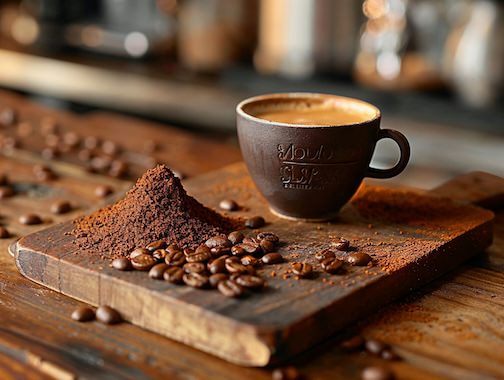
The resistance created by the compressed grounds is essential for building up the pressure needed for espresso extraction, which is responsible for producing the signature crema that tops a well-extracted espresso.

However, mastering the tamping process requires practice and technique, as achieving the right pressure (typically around 30 pounds of force) and ensuring an even distribution of coffee grounds is not always straightforward. Inconsistencies in tamping can lead to uneven extraction, undermining the quality of the espresso.

The physical effort involved in tamping, especially in high-volume settings, can be demanding, although this is more of an issue for professional baristas than for home espresso enthusiasts. It’s also worth noting that different espresso machines and baskets might require adjustments in tamping technique or pressure, adding another layer of complexity to the process.

Despite these challenges, the benefits of proper tamping are undeniable. It allows for greater control over the extraction rate, influencing the espresso’s strength and flavor profile, and ultimately contributes to a superior espresso experience. The key to successful tamping lies in practice and understanding the nuances of one’s espresso machine and preferences, making it an indispensable skill for any espresso maker.

Please note that if you purchase from clicking on the link, some will result in my getting a tiny bit of that sale to help keep this site going. If you enjoy my work, perhaps you would consider donating to my daily cup of coffee, thank you.
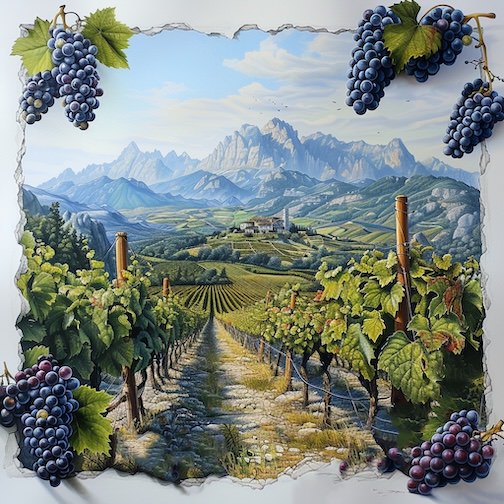
Coffee’s Terroir: Like Wine, Flavor Shaped by the Earth

Wine aficionados have long celebrated the concept of terroir, a French term that encapsulates the environmental factors — soil, climate, and geography — that give a wine its unique character. However, this principle is not exclusive to the world of viticulture. It extends into the realm of coffee production, influencing the flavor profiles of coffee beans in ways that many enthusiasts are just beginning to appreciate. Like grapes, coffee beans are a reflection of their environment, carrying the essence of their terroir from the farm to your cup, shaping the beverage’s body, acidity, and aromatic profile.

The connection between wine and coffee extends beyond their dependence on terroir. Both beverages are the result of intricate production processes that begin with the cultivation of their respective beans and grapes, and end with the careful crafting of flavors that consumers relish. This shared journey from plant to product underscores the importance of terroir in determining the nuances of flavor that make each batch of wine or coffee unique. The soil’s mineral content, the climate’s warmth and coolness, and the altitude at which the beans are grown all play crucial roles in the development of coffee’s flavor. For instance, beans grown at higher altitudes in regions like Ethiopia, Colombia, and Jamaica are often prized for their crisp acidity and complexity, a testament to the distinctive impact of their terroir.

When tasting coffee, adopting an approach similar to wine tasting can unveil a world of nuanced flavors. Observing the coffee’s aroma, acidity, body, and flavor allows one to appreciate the full spectrum of its sensory profile. A coffee’s aroma might hint at floral, fruity, or earthy notes, while its acidity could range from bright to mellow. The body might vary from light and delicate to rich and full, and the flavors can span a wide range of tasting notes, each hinting at the unique terroir of the coffee’s origin.

The synergies between coffee and wine do not end with their production and tasting. There are creative opportunities for pairing and even combining these beverages. Coffee-infused wines and thoughtful pairings that consider the shared flavor profiles of coffee and wine can lead to delightful culinary experiences. A light-bodied, fruity coffee might complement a vibrant white wine, enhancing the dining or tasting experience through the harmonious blending of flavors.

The concept of terroir is as significant in coffee production as it is in winemaking. It shapes the flavor and character of coffee beans, much like it does for grapes, allowing connoisseurs of both beverages to explore and appreciate the deep connections between the environment and the flavors they enjoy.

By recognizing the influence of terroir on coffee, aficionados can deepen their understanding and enjoyment of their favorite brew, acknowledging the intricate journey from bean to cup that is shaped by the unique conditions of the bean’s origin. This appreciation not only enhances the tasting experience but also fosters a greater respect for the agricultural practices and environmental conditions that contribute to the production of both wine and coffee.

Please note that if you purchase from clicking on the link, some will result in my getting a tiny bit of that sale to help keep this site going. If you enjoy my work, perhaps you would consider donating to my daily cup of coffee, thank you.

Velvet Brew: Unveiling the Magic of Nitro Coffee

Nitro coffee is a different take on cold brew coffee though recently I’m seeing hot coffee mentions too. Which intrigued me to research the process and what impacts people say nitro infusion has. This process starts by creating a cold brew, which involves steeping coarse coffee grounds in cold water over a period of 12 to 24 hours to produce a familiar smooth, rich concentrate. 

The key transformation happens when this concentrate is infused with the nitrogen, typically using a pressurized valve or nitrogen tank in commercial settings, though at-home brewers might use nitrogen capsules or keg systems.

Most options found online use gas cartridges, requiring a subscription. A kickstarter project that doesn’t need the cartridges is what finally pushed me to dig in a bit. OK… maybe in the excitement of researching Nitro, I found this ‘pocket’ version that is calling my name.

The serving method also plays a crucial role. Nitro coffee is dispensed through a special tap that maintains high pressure, similar to those used for stout beers. This tap forces the coffee through a restrictor plate, creating tiny nitrogen bubbles that give the coffee a creamy texture and a frothy, sort of like a Guinness head.

This nitrogen infusion process has several effects on the coffee. It changes the beverage’s texture to a silky, smooth mouthfeel, distinct from both regular coffee and traditional cold brew. The tiny nitrogen bubbles create a less acidic drink with a smoother taste, often perceived as sweeter and less bitter, despite the absence of added sugars or sweeteners. 

The visual aspect of nitro coffee is also notable, with a cascading effect of nitrogen bubbles as the coffee settles, adding to its appeal. The inherent creaminess and reduced acidity mean many people say they enjoy nitro coffee without any additional dairy or sweeteners.

Please note that if you purchase from clicking on the link, some will result in my getting a tiny bit of that sale to help keep this site going. If you enjoy my work, perhaps you would consider donating to my daily cup of coffee, thank you.

Savor Each Sip: How Locale Elevates Your Coffee Experience

The taste of coffee itself is influenced by many factors, including the type of coffee bean, the roasting process, the grind, and the method of preparation. I find that the experience of drinking coffee, including the perceived taste, can indeed be impacted by the environment in which it’s consumed, such as downtown, in a country cafe, or by the beach. Here is how I feel these settings might affect your coffee experience:

Drinking coffee in a downtown setting immerses you in the heart of a bustling cityscape, where the energy is palpable. The visual stimulation of towering buildings, the eclectic mix of people, and the sounds of urban life create a backdrop that can make coffee drinking feel like a more dynamic activity. Cafes in such areas often reflect the urban sophistication with their modern decor, offering specialty brews that cater to a discerning palate. The experience is not just about the coffee but also about participating in the city’s rhythm. You might find yourself sipping a crafted single-origin pour-over while people-watching or discussing the latest trends with fellow coffee enthusiasts. The convenience of grabbing a high-quality espresso before a meeting or enjoying a leisurely latte on a weekend morning adds to the appeal. The fast pace might make the coffee seem like a necessary fuel, enhancing its invigorating effect.

In a country cafe provides a quieter serene escape, often embodying the charm and warmth of rural life. These cafes might be situated in quaint villages, nestled among rolling hills, or beside fields of crops and flowers, offering a picturesque setting that slows down time. The architecture and decor of country cafes often reflect local traditions and natural materials, creating a cozy, homely atmosphere. Here, the coffee might be paired with homemade pastries or local delicacies, adding a touch of authenticity to the experience. The tranquility of the countryside allows for a more contemplative coffee experience, where each sip can be savored amidst the sounds of nature and the beauty of the landscape. The coffee might taste richer and more nuanced as you’re more attuned to its flavors in the calmness of the country setting. This environment fosters a connection to the land and the community, making the coffee experience more personal and grounded.

Enjoying coffee by the beach offers a unique blend of relaxation and sensory pleasure. The vastness of the ocean, the rhythmic sound of waves crashing, and the warmth of the sun create an idyllic setting for coffee lovers. Beachside cafes often boast open, airy spaces with views of the sea, making coffee drinking a leisurely affair that complements the laid-back beach atmosphere. The salty air and the presence of water can heighten your senses, possibly making the coffee’s aroma more pronounced and its flavor more intense. There’s something inherently soothing about sipping a favorite coffee while gazing out at the sea, which can make the coffee taste even sweeter or more satisfying. Whether it’s a cold brew to cool off on a hot day or a warm cup to enjoy during a breezy evening, the beach setting adds an element of holiday-like indulgence to the coffee experience, making it feel more like a treat.

In each of these environments, the ambiance, the visual and auditory stimuli, and the pace of life around you can significantly influence your perception of taste and the enjoyment of your coffee. The setting in which you drink your coffee can transform it from a mere beverage into an integral part of an experience that engages all the senses.

Please note that if you purchase from clicking on the link, some will result in my getting a tiny bit of that sale to help keep this site going. If you enjoy my work, perhaps you would consider donating to my daily cup of coffee, thank you.

Steeped in Flavor: The Joy of Immersion Coffee Brewing

I recently came across a term related to coffee brewing and thought it was something new. Turns out, it’s a technique we’re already familiar with, but I thought it’s worth sharing in case it pops up in your next coffee chat. It’s called immersion coffee brewing, a method where coffee grounds are soaked in water, allowing a more even absorption of flavors and aromas compared to other methods like drip or pour-over. Like I said, you already know the process, but not always a name people reference it by.

Take the French Press, a classic in the world of immersion brewing. You mix coffee grounds with hot water in a carafe and let them steep. After a few minutes, press down a plunger, and voilà, your coffee is ready. Its simplicity and the rich, full-bodied coffee it produces are what make it a favorite.

The AeroPress is another popular choice. It works similarly to the French Press, where you steep the coffee. However, with the AeroPress, you use a plunger to force the brew through a filter, which creates a cleaner, smoother cup of coffee. And by ‘clean’, I mean it leaves fewer grounds in your cup, thanks to its modern design that’s easy to clean.

Cold Brew is another method I sometimes overlook. Perfect for a hot day, it involves steeping coffee grounds in cold water for about 12 to 24 hours. This results in a smooth, concentrated coffee that’s excellent over ice or mixed with milk.

For those who appreciate a bit of flair in their brewing, there’s the Siphon Brewer. Though I don’t have the equipment myself, it’s impressive to watch. It uses heat to create a vacuum for brewing coffee and is a great conversation starter, especially when you have guests in the kitchen.

Now, let’s talk about Keurig – yes, you read that right. I had an interesting encounter in a break room with the President of a multi-billion dollar company. He offered to make me a “stronger” cup of coffee using a Keurig. Here’s his trick, which should be done cautiously to avoid hot water burns: After the water starts flowing into the coffee pod but before it fills the cup, he slightly opened the lid, pausing the brewing process. After a short pause, he closed it, and the brewing continued, resulting in a lightly steeped, stronger cup of coffee. Again, be careful with the hot water and it’s unpredictability when your using anything not as designed.

There’s an immersion method for every taste. So, grab your favorite beans and start experimenting with these methods.

Please note that if you purchase from clicking on the link, some will result in my getting a tiny bit of that sale to help keep this site going. If you enjoy my work, perhaps you would consider donating to my daily cup of coffee, thank you.