Espresso Culture Around the World: Regional Variations and Traditions

If you’re a coffee lover, chances are you have a go-to espresso drink that you order at your local café. But did you know that there are regional variations of espresso drinks all around the world? In this blog post, we’ll take a look at some of the different espresso culture traditions from different parts of the globe.
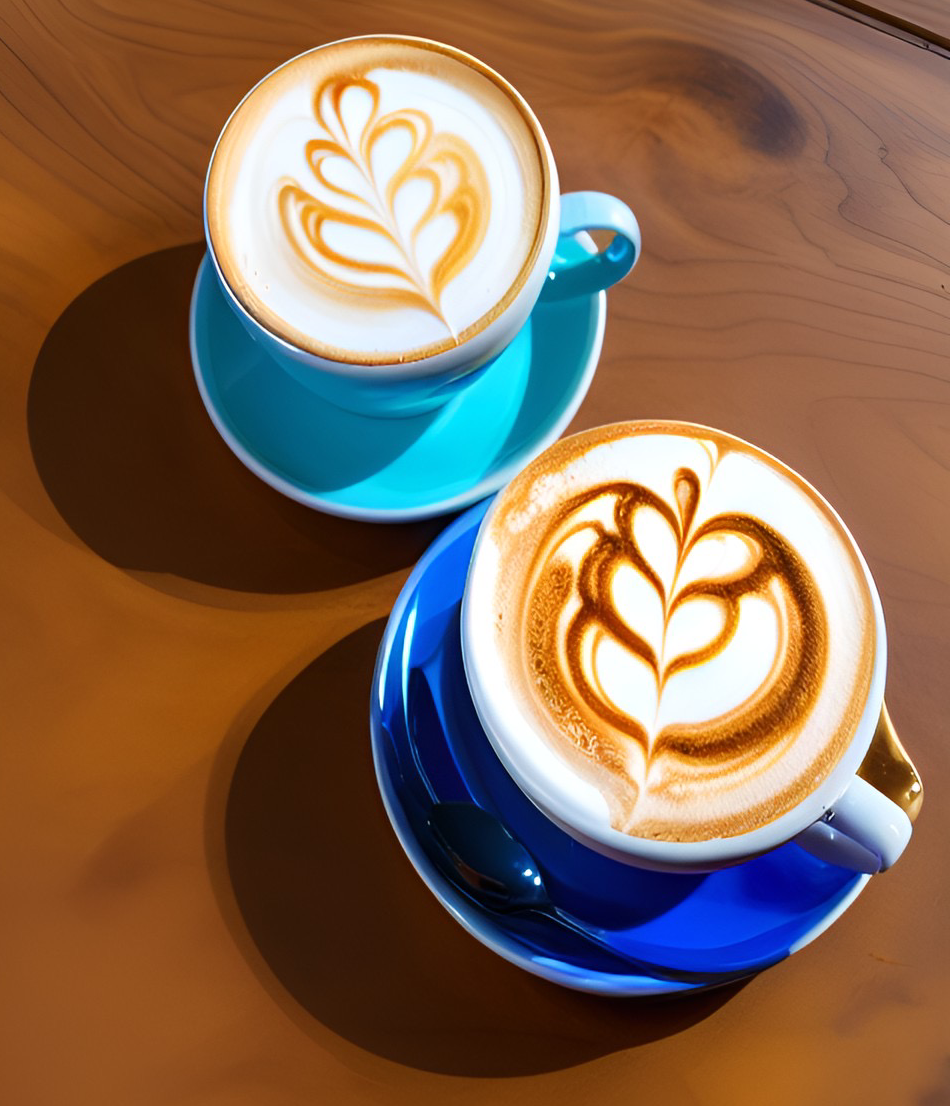
In Italy, the birthplace of espresso, there are a few different types of espresso drinks that are popular. The first is the caffè, which is a shot of espresso with no added milk or sugar. The second is the cappuccino, which is a shot of espresso with steamed milk and foam on top. And last but not least is the latte, which is a shot of espresso with steamed milk and a small amount of foam.

In Spain, one of the most popular types of espresso drinks is called a cortado. A cortado is an espresso with a small amount of milk added to it in order to cut the bitterness. Cortados are usually served in small glasses so that they can be consumed quickly. Another popular type of espresso drink in Spain is called a carajillo, which is an espresso with brandy or whiskey added to it. Carajillos are typically served after meals as an after-dinner drink.

In Portugal, one of the most popular types of espresso drinks is called a galão. A galão is an espresso with milk added to it in a 1:1 ratio. Galãos are typically served in tall glasses so that they can be sipped slowly. Another popular type of espresso drink in Portugal is called an garoto, which is an espresso with condensed milk added to it. Garotos are usually served in small cups and are very sweet.

As you can see, there are many different types of espresso drinks enjoyed all around the world. Whether you like your espresso plain or with milk and sugar, there’s sure to be a variation that’s perfect for you. So next time you’re craving something caffeine-filled, why not try one of these regional variations? You might just find your new favorite way to enjoy espresso.

If your taking a look at coffee types and flavors from around the world, there is always samples that have beans packaged in sizes to try without having to have too much of any one till you decide on your preference. Maybe even a little vacation to a far off land when sitting outside enjoying your morning coffee. Please note that if you purchase from clicking on the link, I will get a tiny bit of that sale to help keep this site going.

The Perfect Coffee to Enjoy While Binge-Watching Netflix 

Nothing beats cuddling up on the couch with a cozy blanket and a good show. But the experience can be taken to the next level with the addition of a hot cup of coffee. The right kind of coffee can make or break your movie marathon, so why not find one that complements your viewing experience?

Dark Roast Coffee Is Your Best Bet for Binge-Watching 

When it comes to choosing a type of coffee for your Netflix session, you want something dark and smooth—and preferably something with lower acidity levels. A rich dark roast is perfect for this situation because it has less acidity than lighter roasts, and its bold flavor won’t overpower the movie or show you’re watching. This makes it ideal for sipping slowly over an extended period. It also pairs well with just about any food you choose to snack on during your binge-watch session. Think savory treats like chips, pretzels, popcorn, and even pizza. 

Espresso Is Also Good for Movie Marathons 

If you’d rather go with espresso over drip coffee, there are some great options available too. Espresso has a much more intense flavor profile than drip coffee, so it’s perfect if you prefer a bolder taste in your cup. Plus, espresso is known for having higher caffeine content than regular drip coffee —so if you need an extra energy boost while watching movies or shows late into the night, espresso is definitely worth considering. It also pairs well with sweet snacks such as cookies or cake if those are more your style. 

Cold Brew Is the Way To Go During Summertime Streaming Sessions 

Finally, cold brew is great if you plan on streaming during warmer months. Not only does cold brew have lower acidity levels than other types of coffee beverages (which makes it easier on sensitive stomachs), but its bold flavor profile adds an extra kick that will help keep you alert and focused as you watch your favorite shows and movies. Cold brew also pairs nicely with fruit-based snacks like apples or strawberries if that’s what you prefer over traditional junk food snacks. 

With so many different types of coffees available these days—from light roasts to dark roasts—it can be hard to choose which one is best suited for long Netflix sessions. But by taking into consideration factors like acid levels and flavor profiles (as well as pairing potential.), it should be easy enough to figure out which type of coffee works best for your needs when binge-watching movies and shows online. So grab a comfy blanket, pop some popcorn (or whatever snack tickles your fancy.), get ready to hit “play” ––and don’t forget the fresh cup of coffee.

There are a lot of options for making popcorn on movie binge nights/days. There is actually an option if want to microwave popcorn but not be forced to use the kernels proved by the bag manufacture. Use your preferred corns and pop in the microwave quickly, even with butter, using one of micro pop poppers (variety of manufactures). Please note that if you purchase from clicking on the link, I will get a tiny bit of that sale to help keep this site going.

How to Store Coffee Beans for Optimal Freshness

If you’re a coffee lover, then you know the importance of finding and storing quality coffee beans. Good coffee beans can make or break your cup of coffee, and if you want to ensure that your coffee tastes great every time, it’s important to learn how to store them correctly. Let’s explore the best ways to store coffee beans so that they always maintain their flavor and freshness. 

Storing in an Airtight Container 

The most important consideration when it comes to storing your coffee beans is ensuring that they are kept in an airtight container. The presence of oxygen can make your beans stale very quickly, so if you want them to stay fresh for as long as possible, it’s essential that you store them in a sealed container where no oxygen can reach them. Mason jars or zip-lock bags work well for this purpose; just make sure they are tightly sealed so no air can get in. 

Temperature Control 

In addition to sealing your beans away from oxygen, it’s also important to make sure they aren’t subjected to extreme temperatures. Ideally, you should keep your beans at room temperature; if exposed to cold temperatures for too long, the oils inside the bean could become solidified, ruining their flavor and aroma. On the other hand, keeping them at high temperatures for too long will cause them to go stale much faster than usual. So keep them at a consistent temperature between 60-70 degrees Fahrenheit (or 15-21 degrees Celsius) and they should stay good for weeks or even months. 

Light Exposure 

Another factor that can affect the longevity of your beans is light exposure. If stored in direct sunlight or any other intense light source, the flavor and aroma of the coffee will degrade quickly due to oxidation caused by UV rays. To avoid this problem altogether, store your beans in a dark place like a kitchen cupboard or pantry shelf—they should be safe there from both temperature fluctuations and light exposure.  

Storing coffee beans correctly is essential if you want your cup of coffee to taste its best every time. Make sure you seal them away from oxygen in an airtight container and keep them at room temperature away from any direct light sources—these steps will ensure that your beans remain flavorful and aromatic for weeks or even months. With these tips in mind, anyone can enjoy delicious cups of freshly brewed coffee whenever they please.

I have a variety of containers that I tried over the years. For constantly used beans, I use an air tight clear plastic since I’m not concerned about light. For beans I use for an occasional special treat coffee, I use a container like the Mueller Coffee Canister Stainless Steel Container for Coffee Beans. Please note that if you purchase from clicking on the link, I will get a tiny bit of that sale to help keep this site going.

Making the Perfect Pour Over Coffee Starts with the Filter

Making pour over coffee is becoming increasingly popular. It’s an enjoyable, hands-on process that allows you to customize your cup of coffee and make it exactly how you like it. But there are a few things you need to know before you start — most importantly, choosing the right filter for your pour over brewer. Read on to learn more about how to choose the best pour over filter for your needs. 

Types of Filters 

The first step in choosing the right filter for your pour over coffee setup is understanding the different types of filters available. The two main types of filters are paper and metal. Metal filters are usually made from stainless steel or bronze and have a much longer lifespan than paper filters. They also don’t affect the flavor of the coffee as much as paper filters do, but they can be harder to use and require more cleaning after each use. Paper filters are easier to use, less expensive, and don’t require as much cleanup afterwards, but they will affect the flavor since they absorb some of the oils from the beans during brewing. 

Size Matters 

The size of your filter will also be important when choosing one for your pour over brewer. If you have a large carafe with a wide opening, then you’ll want a larger filter so that it fits properly in place without spilling any grounds outside of the carafe during brewing. Conversely, if you have a small carafe with a narrow opening then you’ll want to get a smaller filter that won’t take up too much space inside your carafe while still providing plenty of room for grounds and water flow during brewing. 

What About Natural Materials? 

If you want something other than metal or paper filters, then there are lots of options out there made from natural materials like cotton or bamboo. These kinds of filters can provide an even better cup of coffee since they don’t absorb any oils from the beans like paper filters do, plus they can be reused multiple times before needing to be replaced which makes them great if you’re looking for an eco-friendly option. However, keep in mind that these kinds of filters tend to be more expensive than their metal or paper counterparts so budget accordingly. 

Choosing the right filter for your pour over brewer is essential if you want to make sure that each cup tastes just as good as it should. When making this decision think about what kind (metal vs paper) will work best for your setup as well as what size (large vs small) will fit properly in place without spilling any grounds outside during brewing. Finally, consider natural materials like cotton or bamboo if you’re looking for something reusable and eco-friendly but keep in mind that these options can often be more expensive than traditional options. With all this information now at hand, go forth and make delicious cups of pour over coffee.

OK, I admit I’m still playing a bit with the options that are both the right size and material for my particular maker. The Chemex options best fit the makers I have and seem to not let any grounds through. Of course, your pour technique may vary your results. Please note that if you purchase from clicking on the link, I will get a tiny bit of that sale to help keep this site going.

How to Make Delicious Coffee at Home 

There’s nothing quite like a freshly brewed cup of coffee. The aroma, the flavor, and the warmth can perk you up in an instant. But why settle for subpar coffee from your regular morning routine when you can make something truly delicious at home? With just a few simple steps, you can brew the perfect cup of coffee that is sure to please all your senses. 

Choose Your Beans Wisely 

The first step to making excellent coffee is selecting the right beans. Arabica beans are generally considered to be best because they have a sweet, nutty flavor and are low in acidity. When buying whole beans, make sure they look clean and uniform in size and color. You want to avoid any beans that are dull or discolored as this could affect the taste of your coffee. If possible, buy organic beans since these will have fewer pesticides than non-organic ones. 

Grind Just Before Brewing 

Once you’ve chosen your beans, it’s time to grind them into grounds for brewing. Grinding releases essential oils from the beans which add flavor and aroma to your cup of coffee. As such, it is best to grind your beans just before brewing so that these oils don’t evaporate over time. Depending on the type of brewer you use, there may be different settings for grinding levels so make sure you adjust it accordingly for optimal results. 

Use Quality Filtered Water 

Another key component for making great coffee is using high-quality filtered water like Brita or Pur filtered water instead of tap water which may contain impurities that can affect both taste and smell of your brew. Also try not to use too much or too little water during brewing; measuring out how much water you need will help give you consistent results each time while also ensuring that all grounds are properly saturated with water allowing their flavors to infuse into the final product.  

Making delicious coffee at home doesn’t have to be complicated or intimidating; all it takes is choosing quality ingredients, grinding fresh grounds just before brewing, and using quality filtered water during the process. Keep in mind that even small adjustments such as varying grind levels or adding different additives (like sugar or spices) can drastically change the flavor profile of your brew so experiment until you find what works best for you. With these tips on hand, now you can easily enjoy a perfectly brewed cup of joe every single morning without leaving your house.

While there are fancy attachments for the water faucet to filter water, I use the basic Brita that filters water and stores in the fridge. We just have to remember the last person to use it for their coffee, needs to put more water in it and not put it back empty. Ha! Please note that if you purchase from clicking on the link, I will get a tiny bit of that sale to help keep this site going.